
A Practical Procurement Operations Guide for Industrial Buyers: Sourcing Convex Mirrors Efficiently and Mitigating Risks
Industrial buyers responsible for safety equipment procurement often face challenges when sourcing convex mirrors—especially for outdoor, high-wear environments like warehouse intersections, loading docks, and roadway blind spots. This guide provides a step-by-step operational framework covering pre-purchase planning, supplier negotiation, cross-border logistics, and risk mitigation, based on proven manufacturing and quality control practices.
1. Pre-Procurement Preparation: Defining Three Core Requirements
Before engaging suppliers, buyers must clarify technical specifications, budget boundaries, and compliance obligations.
Technical Requirements
For outdoor applications, polycarbonate (PC) convex mirrors are preferred due to their impact resistance and weather durability. Key parameters to specify include:
- Material: Impact-resistant PC with vacuum aluminum coating (lens thickness 0.6–1 mm, customizable).
- Viewing angle: 130°+ wide-angle vision, with curvature radius R2200–R3000.
- Weather resistance: Temperature range -30°C to +80°C, UV-stabilized PC & ABS backing, IP65 rating for outdoor use.
- Size selection: Match mirror diameter to required visual range (e.g., Ø600 mm covers 15–18 m sight distance; Ø1200 mm covers 35–45 m).
- Mounting: Heavy-duty galvanized steel bracket, compatible with 60 mm or 75 mm poles.
Additional options include anti-scratch hard coating and engineering-grade reflective tape on the rim.
Budget Range
Cost is driven by material (PC vs. acrylic), size, coating, and certification. Polycarbonate mirrors typically have a higher upfront cost than acrylic but offer longer service life (3–5 years UV stability) and lower total cost of ownership. Buyers should request itemized quotes covering mirror, bracket, packaging, and shipping.
Compliance Requirements
Outdoor convex mirrors used in traffic or industrial settings often require documentation for impact rating, UV resistance grade (Grade 8), and wind resistance (Level 10). For European markets, CE certification is a standard demand. Buyers should verify that the supplier can provide test reports or certificates if requested.
2. Supplier Negotiation: Four Key Contract Clauses

When negotiating with manufacturers, industrial buyers should address the following critical terms:
- Minimum Order Quantity (MOQ): Many Chinese manufacturers set an MOQ of 100 units for standard convex mirror models. Buyers with smaller needs should confirm whether lower MOQs are available at adjusted pricing.
- Price Composition: Request a breakdown of unit price (mirror + bracket + packaging), tooling costs (if custom), and freight. For OEM/ODM orders, clarify customization fees for diameter changes (45–120 cm), backing material (PP/ABS/fiberglass), or lens type (PC/stainless steel).
- Lead Time: A typical lead time for a 20-foot container is 15–20 days after order confirmation. Buyers should align this with their project schedule and build in buffer for peak seasons.
- Warranty & After-Sales: Insist on written terms covering product defects. Some manufacturers offer remote technical support and a replacement guarantee (e.g., 1–2 years for mirror clarity defects). Confirm response time for claims (e.g., within 24–48 hours).
3. Cross-Border Procurement Process: From Order to Delivery
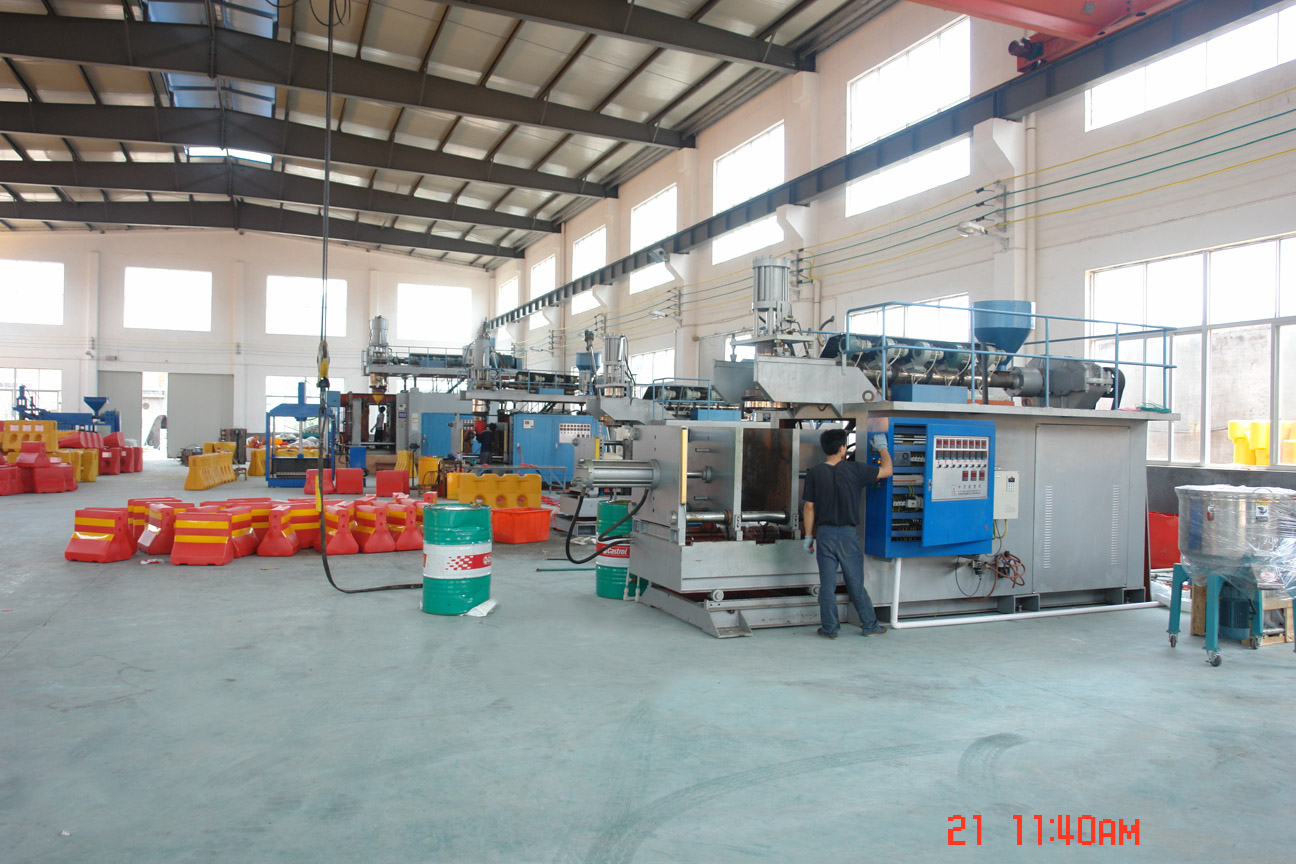
A standard end-to-end cross-border procurement workflow includes four stages:
- Order Confirmation: After finalizing specifications and price, sign a proforma invoice detailing product model (e.g., YD-OC120), quantity, payment terms (commonly 30% advance + 70% before shipment), and delivery timeline.
- Production Follow-Up: Request weekly production photos or video updates. For critical orders, consider third-party inspection during manufacturing. Reputable suppliers conduct 100% impact and clarity inspection on every mirror.
- Logistics & Customs Clearance: The seller typically handles export customs and arranges shipping (FOB or CIF). Ensure all documents (packing list, invoice, bill of lading, certificate of origin) are prepared correctly to avoid port delays.
- Inspection & Acceptance: Upon arrival, inspect the shipment for visual defects (scratching, deformation) and verify that the mirrors match ordered sizes and mounting hardware. A case study from a Thai distributor reported that an order of medium-sized outdoor convex mirrors passed local acceptance upon delivery, thanks to factory quality control.
4. Risk Mitigation: Three Common Pitfalls and Countermeasures
Industrial cross-border procurement carries inherent risks. Below are three typical issues and recommended safeguards:
| Risk | Consequence | Countermeasure |
|---|---|---|
| Quality inconsistency (e.g., surface scratching, poor clarity) | Reduced visibility, early replacement costs | Specify anti-scratch hard coating on PC surface and require protective PE film during packaging. Ask for a pre-shipment photo of the coating test. Some manufacturers apply a dedicated anti-scratch treatment as standard. |
| Delivery delay | Project standstill, penalty fees | Choose a supplier with a proven monthly capacity (e.g., 30,000 pcs per month) and a reliable lead time. Build liquidated damages clause into the contract for late delivery. |
| Poor after-sales support | Unresolved defects, no replacement | Work with manufacturers that offer remote support and a clear warranty policy. For example, some Chinese exporters provide remote technical assistance and a G2-level service commitment, covering replacement for manufacturing defects within a defined period. |
Additionally, consider using a third-party inspection agency for pre-shipment quality checks, and maintain open communication with your supplier throughout production. A case in Thailand involving a medium traffic safety project demonstrated that on-time delivery and local acceptance were achievable when the supplier maintained rigorous quality control and clear communication.
Comparison: Convex Mirrors vs. Electronic Monitoring
For buyers evaluating alternatives, convex mirrors offer distinct advantages: passive operation (no power required), wide viewing angle (100°–180°), low upfront cost, and almost zero maintenance—only occasional cleaning. In contrast, electronic monitoring systems require power, higher installation cost, and ongoing maintenance. For road traffic, parking garages, warehouses, schools, hospitals, and construction sites, convex mirrors remain a cost-effective, reliable solution.
For a detailed company profile and product catalog, download the PDF brochure: Tiantai Yuanda Traffic Device Co., Ltd – Convex Mirror Range.
Have Questions or Need More Details?
Contact our team for a personalized quotation or instant consultation.
Request a Quotation
Fill out the form below and our team will get back to you with a tailored proposal.
WhatsApp Direct Chat
Prefer to chat in real-time? Message us on WhatsApp for instant assistance & quick answers.
- Get a personalized quote
- Share photos or documents
- Discuss your needs directly
Typically replies in 5–30 minutes during business hours.