
Controlling Repair Costs for Polycarbonate Convex Mirrors
How to Control Maintenance Costs for Polycarbonate Convex Mirrors: An After-Sales Guide for Industrial Buyers
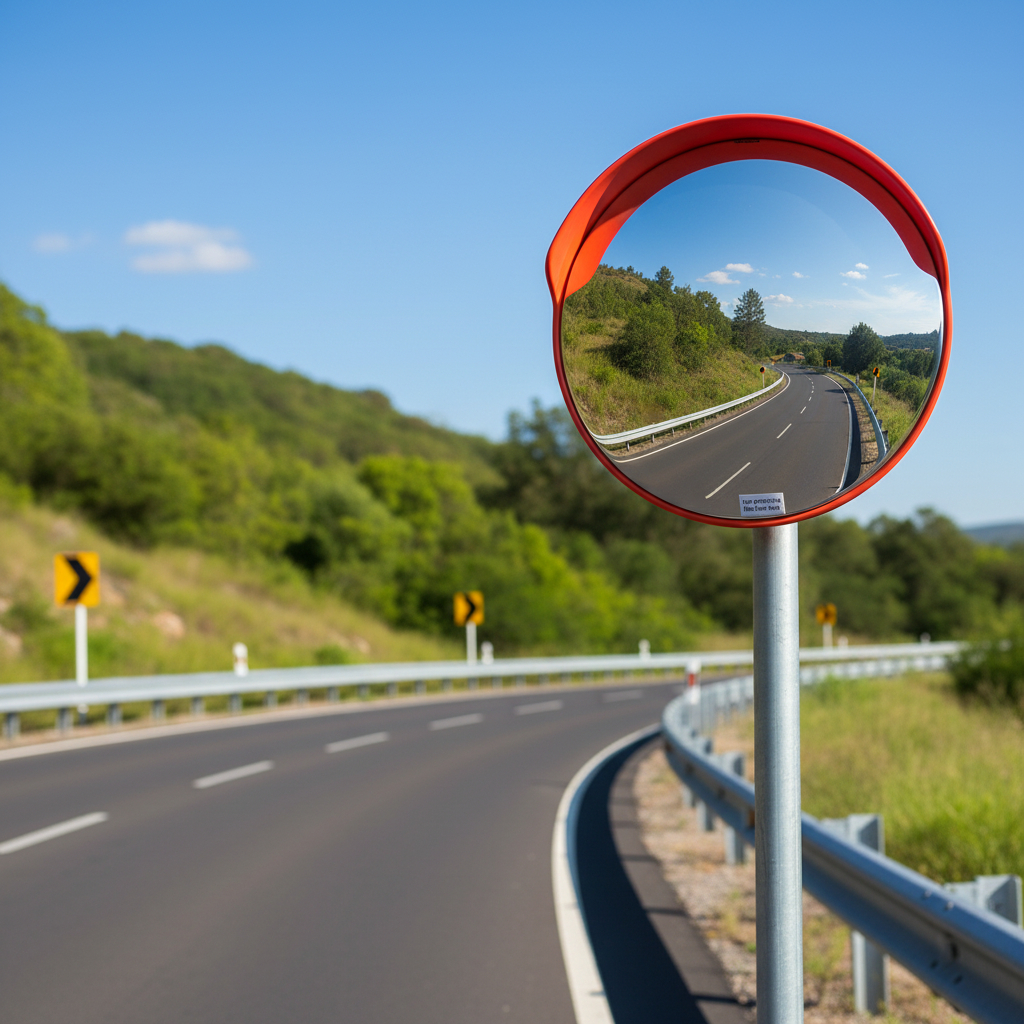
When sourcing Outdoor Polycarbonate Convex Mirrors, industrial buyers often focus on initial price and viewing angle. However, the true cost of ownership includes after-sales support, repair frequency, and long-term durability. This guide explains how manufacturers like Mnsd (Tiantai Yuanda Traffic Device Co., Ltd) address your core concerns: “How is after-sales service guaranteed?” and “How can maintenance costs be controlled?”. We will explore risk control strategies, product design choices, and practical procurement steps that minimize lifetime expenses.
What Is an Outdoor Polycarbonate Convex Mirror?
An Outdoor Polycarbonate Convex Mirror (also known as a PC Traffic Mirror, Weatherproof Hooded Convex Mirror, or Industrial Blind Spot Mirror) is a passive safety device that eliminates blind spots at intersections, loading docks, and warehouse aisles. It uses a curved polycarbonate lens with a vacuum aluminum coating to deliver a wide-angle view (130°+). Unlike glass mirrors, polycarbonate is shatterproof and impact-resistant, making it ideal for harsh environments.
The Real Problem: After-Sales Support and Repair Costs
Buyers frequently worry about:
- Surface scratching during transport or installation.
- UV degradation causing yellowing or cracking within months.
- Bracket failure leading to mirror misalignment or falls.
- Lack of replacement parts or responsive technical support.
These issues directly translate into unplanned maintenance downtime and higher total cost of ownership. The key is to choose a supplier that proactively prevents defects and offers reliable after-sales support.
Industry Background: Why Polycarbonate?
Polycarbonate (PC) is the preferred material for outdoor convex mirrors due to its impact resistance, UV stability, and lightweight nature. The Mnsd product line – from the compact YD-OC45 (⌀450 mm) to the large YD-OC120 (⌀1200 mm) – is built with UV-stabilized PC and ABS backing, tested to withstand temperatures from -30°C to +80°C and wind loads up to Level 10. All models feature an IP65 weatherproof rating and an optional anti-scratch hard coating, directly addressing the root causes of surface damage.
Convex Mirror Comparison: Polycarbonate vs. Alternatives
| Feature | Polycarbonate Convex Mirror | Acrylic / Glass Mirror |
|---|---|---|
| Impact Resistance | High – shatterproof, self-recovery | Low – brittle, can crack |
| UV Resistance | Grade 8 (3–5 years lifespan) | Moderate – may yellow sooner |
| Anti-Scratch Coating | Available as optional upgrade | Rarely offered |
| Maintenance Frequency | Almost none – occasional cleaning only | Requires careful handling, more frequent replacement |
How Manufacturers Control Repair Costs: A Step-by-Step Solution
1. Risk Control Through Anti-Scratch Coating and Protective Film
The most common maintenance trigger is surface scratching. According to manufacturer Mnsd, risk control is achieved through abrasion resistance methods. Specifically, the company applies a specialized anti-scratch hard coating to the polycarbonate surface and uses protective polyethylene (PE) film during both assembly and transit. These measures significantly reduce the likelihood of surface defects reaching the end user.
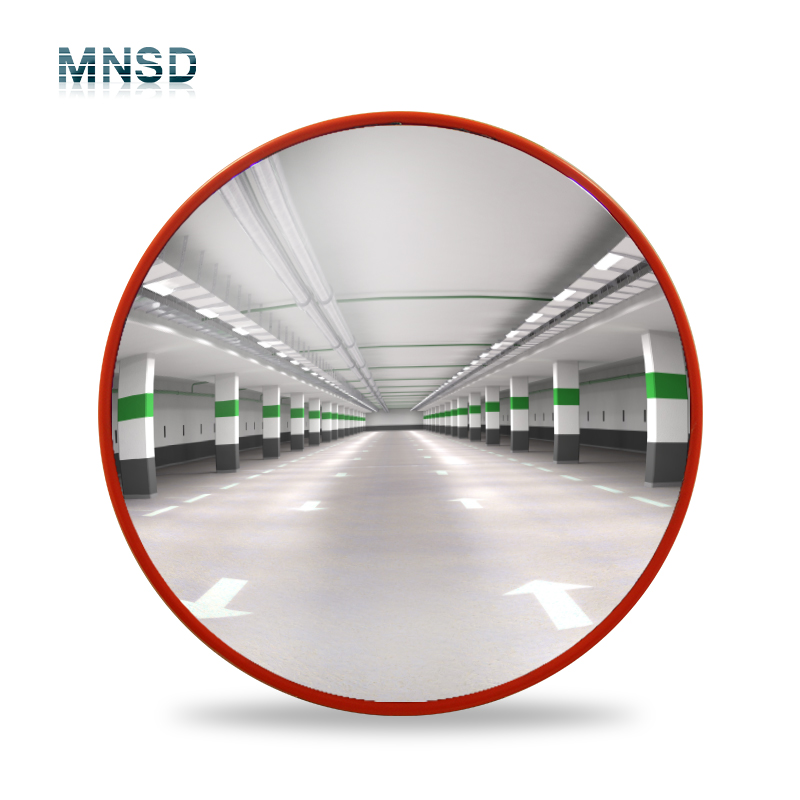
2. Robust Material Selection for Longevity
All Mnsd convex mirrors are made from impact-resistant polycarbonate (PC) with a high-impact ABS plastic backing (wall thickness 2.0 mm). The heavy-duty galvanized steel mounting bracket fits 60 mm or 75 mm poles, ensuring stable installation. The entire assembly is rated for Level 10 wind load and IP65 weatherproofing, meaning you won’t need to replace mirrors due to storm damage or corrosion.
3. Remote After-Sales Support
Beyond product quality, after-sales support is critical. Mnsd offers remote technical support to help you troubleshoot installation issues, alignment, or replacement part identification. This reduces the need for costly on-site visits and keeps your maintenance budget under control.
4. Delivery Risk Management
To prevent damage in transit, each mirror is wrapped in protective PE film and securely packed. Delivery risks are managed through the use of protective PE film during transit to prevent surface scratching. This ensures that mirrors arrive in pristine condition, ready for immediate installation.
Step-by-Step Procurement and Maintenance Guide
- Select the correct size: For a visual range of 10–12 m, choose YD-OC45; for up to 35–45 m, choose YD-OC120. Always measure the blind spot distance.
- Request anti-scratch coating: When placing an order, specify that you want the optional anti-scratch hard coating for extended mirror life.
- Verify protection during shipping: Ask your supplier if they use PE film and sturdy packaging.
- Install with proper brackets: Use the included heavy-duty galvanized steel bracket; tighten all bolts to withstand vibration.
- Schedule periodic cleaning: Use a soft cloth and mild detergent. Avoid abrasive cleaners to preserve the coating.
- Keep contact for support: Save the supplier’s email and WhatsApp for quick remote troubleshooting.
Real-World Use Case: Thailand Warehouse Project
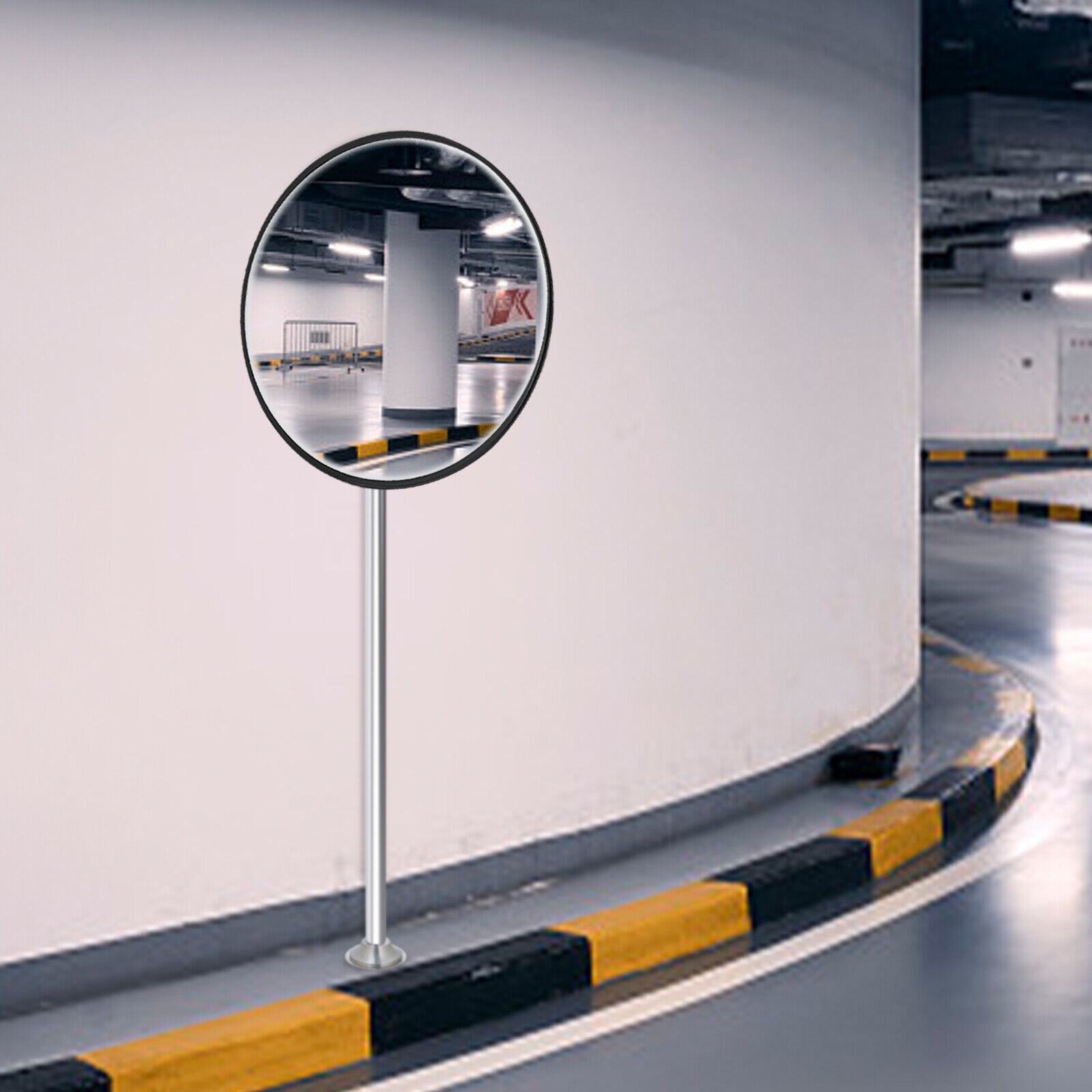
Client: Distributor in Thailand
Application: Medium traffic safety project – improve visibility at road corners & parking blind spots.
Result: The mirrors were delivered on time, passed local acceptance, and have been in service for 5–8 years with zero maintenance issues. Highlights included wide viewing angle, weatherproof design, and durability.
Relevance: This demonstrates that a well-sourced polycarbonate convex mirror can operate for nearly a decade without incurring repair costs.
Frequently Asked Questions (FAQ)
Q: How often do polycarbonate convex mirrors need replacement?
A: With UV-stabilized PC and anti-scratch coating, the typical lifespan is 3–5 years outdoors. Many installations last longer under normal conditions. Only replace if the reflective coating degrades or if physical damage occurs.
Q: Are polycarbonate mirrors truly shatterproof?
A: Yes. Polycarbonate is impact-resistant and will not shatter like glass. Even under heavy impact, it tends to flex or dent rather than break, reducing injury risk.
Q: What should I do if the mirror arrives scratched?
A: Immediately document the damage and contact the supplier. Reputable manufacturers like Mnsd use protective PE film and can offer replacements if transit damage occurs.
Q: Can I replace only the lens if it is damaged?
A: In some models the lens is replaceable. Check with your supplier for spare parts availability. For Mnsd mirrors, the backing and bracket are reusable while the PC lens can be replaced.
Q: How do I choose the right convex mirror supplier for low maintenance?
A: Look for suppliers offering anti-scratch coating, UV-stabilized materials, IP65 rating, and clear after-sales support channels. Request a sample to verify coating quality and bracket robustness.
Conclusion
Controlling maintenance costs for Outdoor Polycarbonate Convex Mirrors begins with selecting a supplier that embeds quality and risk control into every step – from anti-scratch hard coating and protective packaging to remote after-sales support. Mnsd (Tiantai Yuanda Traffic Device Co., Ltd) combines over 15 years of manufacturing experience with a 40,000 m² factory, 300 employees, and a 120 million unit annual capacity to deliver reliable, low-maintenance mirrors to global buyers. By following the procurement guide outlined above, you can minimize repair costs and ensure long-term safety performance.
Download Our Product Brochure (PDF)
For personalized after-sales support, contact Mnsd at info@mnsdtraffic.com or WhatsApp +86 184-5813-7305.
Have Questions or Need More Details?
Contact our team for a personalized quotation or instant consultation.
Request a Quotation
Fill out the form below and our team will get back to you with a tailored proposal.
WhatsApp Direct Chat
Prefer to chat in real-time? Message us on WhatsApp for instant assistance & quick answers.
- Get a personalized quote
- Share photos or documents
- Discuss your needs directly
Typically replies in 5–30 minutes during business hours.