
How Convex Mirrors Eliminate Blind Spots: The Science of Wide-Angle Polycarbonate Reflection
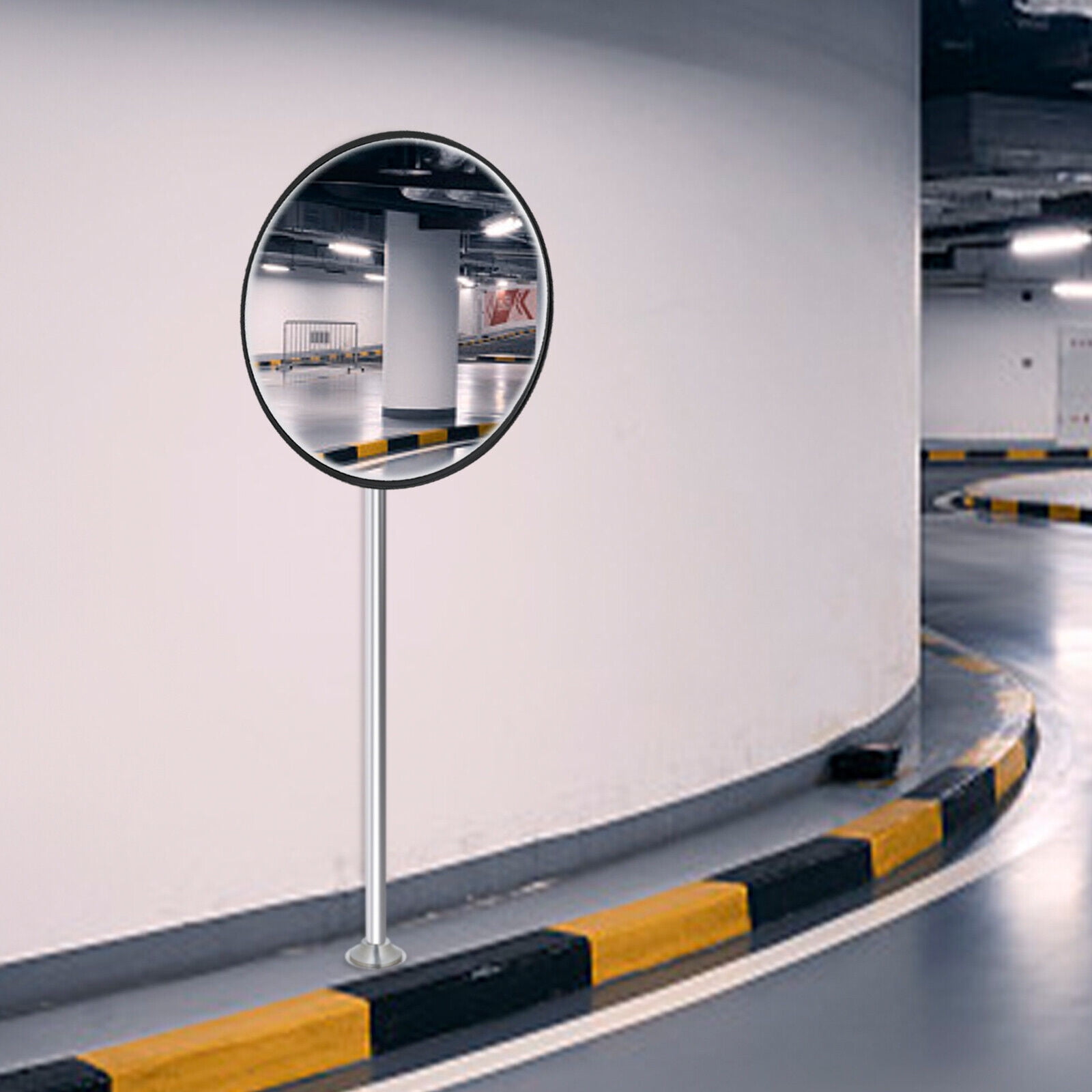
Impact-resistant polycarbonate convex mirror with a high-visibility orange ABS backing and galvanized steel mounting bracket.
A convex mirror eliminates a blind spot by compressing a wide sector of the surrounding scene onto a small reflective surface. Because the reflective face bulges outward, incoming light rays diverge on reflection, so a single fixed lens returns information from more than 130° of horizontal space — a span a flat mirror of the same diameter cannot deliver.
That optical advantage only counts if the mirror itself survives where it is installed. On a roadside corner, a warehouse cross-aisle or a loading dock, a mirror absorbs vehicle strikes, wind load, frost, UV exposure and occasional vandalism. Mnsd — the brand of Tiantai Yuanda Traffic Device Co., Ltd, a road safety equipment manufacturer based in Tiantai, Zhejiang, China — builds its outdoor convex mirror range around that constraint: an impact-resistant polycarbonate lens in a UV-stabilized ABS housing, carried by a heavy-duty galvanized steel bracket.
The article below explains the physics behind the wide field of view, how the R2200–R3000 curvature range tunes the panoramic effect, and why polycarbonate paired with UV-stabilized ABS is specified instead of standard glass in high-risk areas. It then converts those principles into a sizing and installation procedure, a specification table for the YD-OC series, and answers to the questions buyers raise between evaluation and execution.
The Problem: Blind Spots Are Geometry, Not Inattention
A blind spot is any region an observer cannot see from a given position, and in traffic safety it is almost always created by geometry rather than by carelessness. A building corner, a racking upright, a parked truck or a retaining wall interrupts the line of sight. A driver approaching a yard exit has to move forward before the crossing lane becomes visible; a forklift operator entering a cross-aisle sees that aisle only after the forks are already inside it.
A flat mirror is a weak tool against that geometry. Its visible field is tied closely to its own dimensions and to the observer's viewing angle, so covering a wide corner with a flat mirror means installing a large one — more surface area, more wind load, more mounting structure and a larger target for impact. Size solves the visibility problem and simultaneously raises the cost of mounting and the cost of replacement.
Glass adds a second failure path. Where a mirror sits at vehicle height on a roadside or dock wall, impact is a realistic event rather than an exception. A glass lens fractures, and fracture is not a partial loss of function: the mirror stops working and becomes a sharp-edged object at the installation point. Replacement then involves a purchase order, labour and a period during which the corner is unprotected again.
Outdoor service adds weather to the list. An exposed mirror must hold its shape and reflectivity through temperature swings, UV exposure, rain, frost and sustained wind load, while staying readable and cleanable. The questions a buyer ends up answering are therefore concrete: how wide a field, at what distance, in what material, on what bracket, and against which weather rating.
Industry Background: Tighter Specifications in a Growing Category
Third-party research published by Dataintelo places the global convex mirror market at USD 1.04 billion in 2025 and forecasts USD 1.73 billion by 2034, a compound annual growth rate of 5.8% over that period. The same report attributes a 42.5% revenue share in 2025 to Asia Pacific.
For a buyer, the useful reading is not the headline figure but the supply structure behind it. When a large share of global output originates in one region, products across suppliers begin to look alike from the outside, and the differences that matter show up in specification discipline: whether curvature radius is stated, whether the UV grade and its lifespan are documented, whether the mounting bracket and pole diameters are defined, and whether the inspection regime is described.
Material economics point the same way. Mnsd's 2026 outdoor polycarbonate convex mirror guide places polycarbonate at 15–35% above the equivalent acrylic mirror. That premium does not buy a different category of product; it buys a different failure mode, and it has to be weighed against the replacement cost, downtime and injury exposure of a specific site.
The Detailed Solution: Optics and Materials Behind a 130°+ Field of View
How a convex surface compresses a wide scene onto one lens
On a flat mirror, the angle of incidence equals the angle of reflection, and the visible field is essentially bounded by the mirror's own dimensions and the observer's position. A convex surface changes that relationship. Its centre of curvature sits behind the reflective face, so rays arriving from a wide arc meet the surface at different local angles and leave it in diverging directions. The observer's eye collects a bundle of rays that originated across a far wider angle than the lens physically occupies.
The result is a minified, upright virtual image: each object appears smaller than life, and more objects fit inside the same frame. Minification is the mechanism, not a defect. Once the scene is compressed, an observer can resolve more of it at once, which is exactly what a driver approaching a blind corner or a forklift operator entering a cross-aisle needs before committing to a manoeuvre.
Curvature radius R2200–R3000 and how the panoramic effect is tuned
Curvature radius is the number that tunes the trade-off between field width and image size. Across the Mnsd YD-OC series, the reflective surface is specified at a curvature radius of R2200 to R3000 with 130°+ wide-angle vision. A shorter radius — R2200 — bends the surface more sharply for a given lens diameter; sharper curvature widens the captured sector but shrinks each object further and increases the apparent distortion toward the rim. A longer radius — R3000 — flattens the surface, restoring image size and edge geometry at the cost of a narrower span.
Specifying a working range rather than a single value lets one series cover lens diameters from 450 mm to 1200 mm without every size behaving like a separate optical design. In practice, the curvature sets the width of the captured sector and the diameter sets how much detail survives at distance.
Diameter and visual range scale together across the range. The YD-OC45 at ø450 mm is specified to cover 10–12 m; the YD-OC60 at ø600 mm covers 15–18 m; the YD-OC75 at ø750 mm covers 20–25 m; the YD-OC80 at ø800 mm covers 22–28 m; the YD-OC100 at ø1000 mm covers 30–35 m; and the YD-OC120 at ø1200 mm covers 35–45 m. Those figures are the practical starting point for sizing: the mirror must sit far enough from the conflict point to be seen, and be large enough for a vehicle to be recognisable at that distance.
Vacuum aluminum coating on a 0.6–1 mm polycarbonate lens
Reflectivity comes from the coating, not from the polymer. The polycarbonate lens is vacuum aluminum coated, a process that deposits a thin metallic layer directly onto the formed optical surface. Lens thickness is specified at 0.6–1 mm and can be customized as part of an OEM or ODM order, which gives a buyer one more variable to fix against the impact energy expected on site.
Polycarbonate is the standard lens material across the series; stainless steel lenses are available where a project requires a different surface. Optional anti-scratch hard coating is offered for locations where cleaning abrasive or where the lens is exposed to grit.
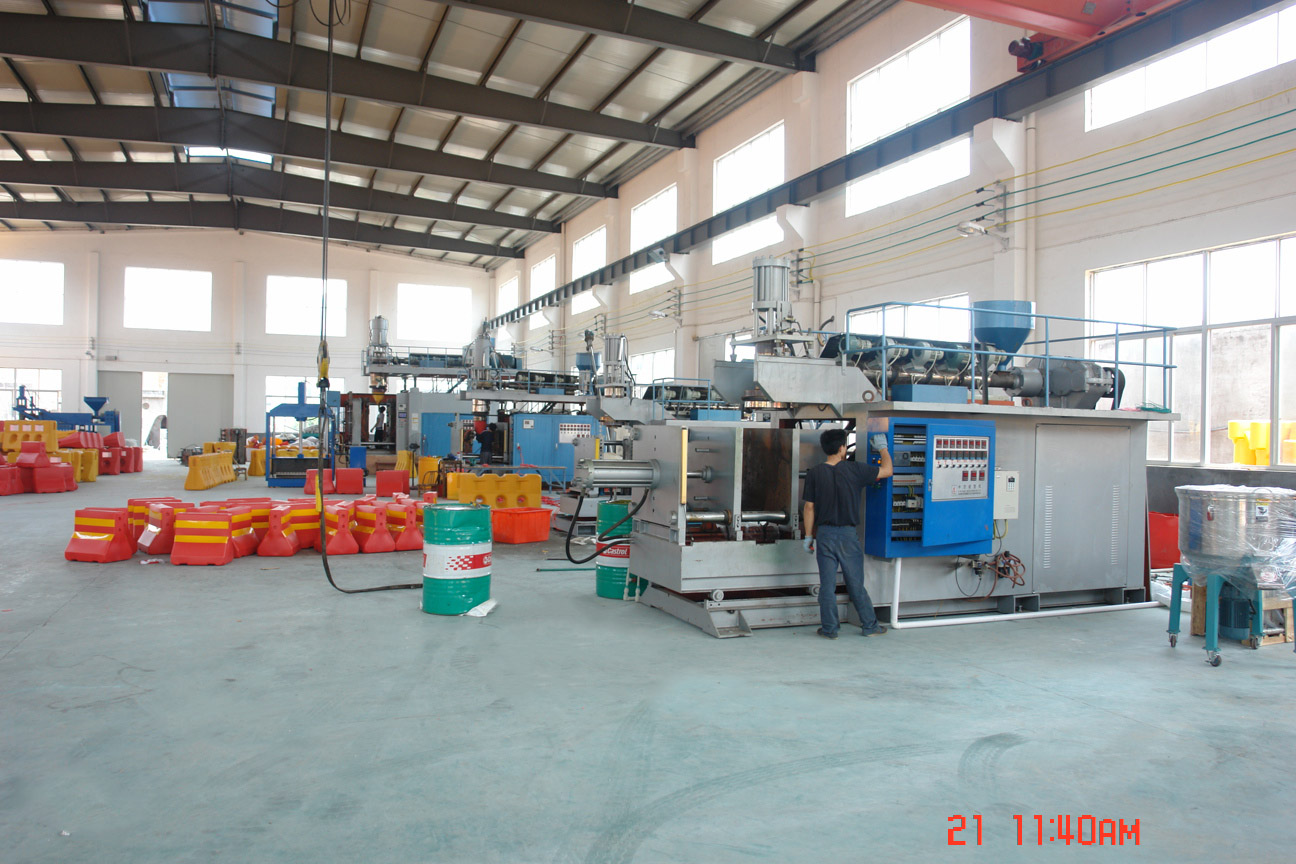
Injection moulding line forming polycarbonate mirror components before coating and assembly.
UV-stabilized ABS housing and the load path
Behind the lens sits a high-impact ABS plastic backing with a 2.0 mm back plate, moulded in bright orange as a high-visibility colour. Both the polycarbonate lens and the ABS backing are UV-stabilized, with aging resistance specified as Grade 8 UV resistance and a stated 3–5 year lifespan under that rating. The assembly carries an IP65 weatherproof rating for outdoor use and an operating temperature range of −30°C to +80°C.
Mechanical loads are carried by a heavy-duty galvanized steel mounting bracket. The mirror fits 60 mm and 75 mm poles and is specified for Level 10 wind load resistance. Engineering-grade reflective tape is available as an optional rim element, which is the usual attachment point when a site's requirements include a retroreflective marking on the housing edge.
Why polycarbonate replaces glass in high-risk areas
Glass and polycarbonate differ most in how they fail. A glass lens offers a hard, flat surface that resists scratching, but it is brittle: struck by a vehicle mirror, a pallet, hail or a thrown object, it fractures, and a fractured lens must be replaced before the mirror functions again. Polycarbonate deforms and recovers its shape; the Mnsd specification describes the lens as vandal-resistant and self-recovery. A polycarbonate unit is designed to absorb the same strike without fragmenting, so the corner keeps its coverage instead of losing it at the moment it was needed.
The trade-off is optical and surface-related rather than structural. Polycarbonate is softer than glass and needs UV stabilization to resist yellowing, which is why the UV-stabilized PC and ABS specification and the optional anti-scratch hard coating are the two lines that address the material's weaknesses directly. For a buyer, that makes the decision a site question rather than a material question: on a protected indoor wall, the harder surface of glass may be acceptable; at vehicle height on a roadside, dock or warehouse corner, the relevant cost is not the lens price but the lens price plus replacement, labour and the uncovered period after a break.
Step-by-Step Breakdown: From Blind-Spot Map to Accepted Installation
- Map the blind spot before choosing a size. Mark the observer position (driver eye height, forklift seat height), the obstruction, the conflict point and the direction traffic arrives from. The mirror has to be placed where the observer already looks, not where it is convenient to fix.
- Match visual range to sight distance. Measure the distance from the intended mirror position to the furthest point that must be resolved, then select the diameter whose specified visual range covers it — 10–12 m for the YD-OC45 through 35–45 m for the YD-OC120. Selecting by mirror size rather than by sight distance is the most common sizing error.
- Fix the field-of-view requirement. The series is specified at 130°+ wide-angle vision with a curvature radius of R2200–R3000. Where a site needs the widest possible capture, state the requirement in the inquiry so the curvature and diameter are selected together rather than independently.
- Choose lens, backing and finish. Polycarbonate is the standard lens, with stainless steel available; backing options are PP, ABS or fiberglass. Optional items include engineering-grade reflective rim tape and anti-scratch hard coating. Each option changes the part number, so lock them before quotation.
- Confirm the mounting path. The bracket is heavy-duty galvanized steel, the mirror fits 60 mm and 75 mm poles, and the assembly is rated for Level 10 wind load. On a wall installation, verify the substrate; on a pole, verify the pole diameter before the bracket is ordered.
- Aim and verify the reflected image. Set the height and angle so the observer's normal line of sight falls on the mirror without a head movement, and check that the reflected image of the conflict point is legible at the working distance. Avoid aiming the surface at a low sun path, which can wash out the reflected image at the hour when the corner is busiest.
- Inspect on receipt and set a maintenance interval. Every unit is subject to 100% impact and clarity inspection before packing. On site, check the coating for cloudy patches, confirm the housing and bracket are undamaged, and set a cleaning interval matched to dust and road spray.
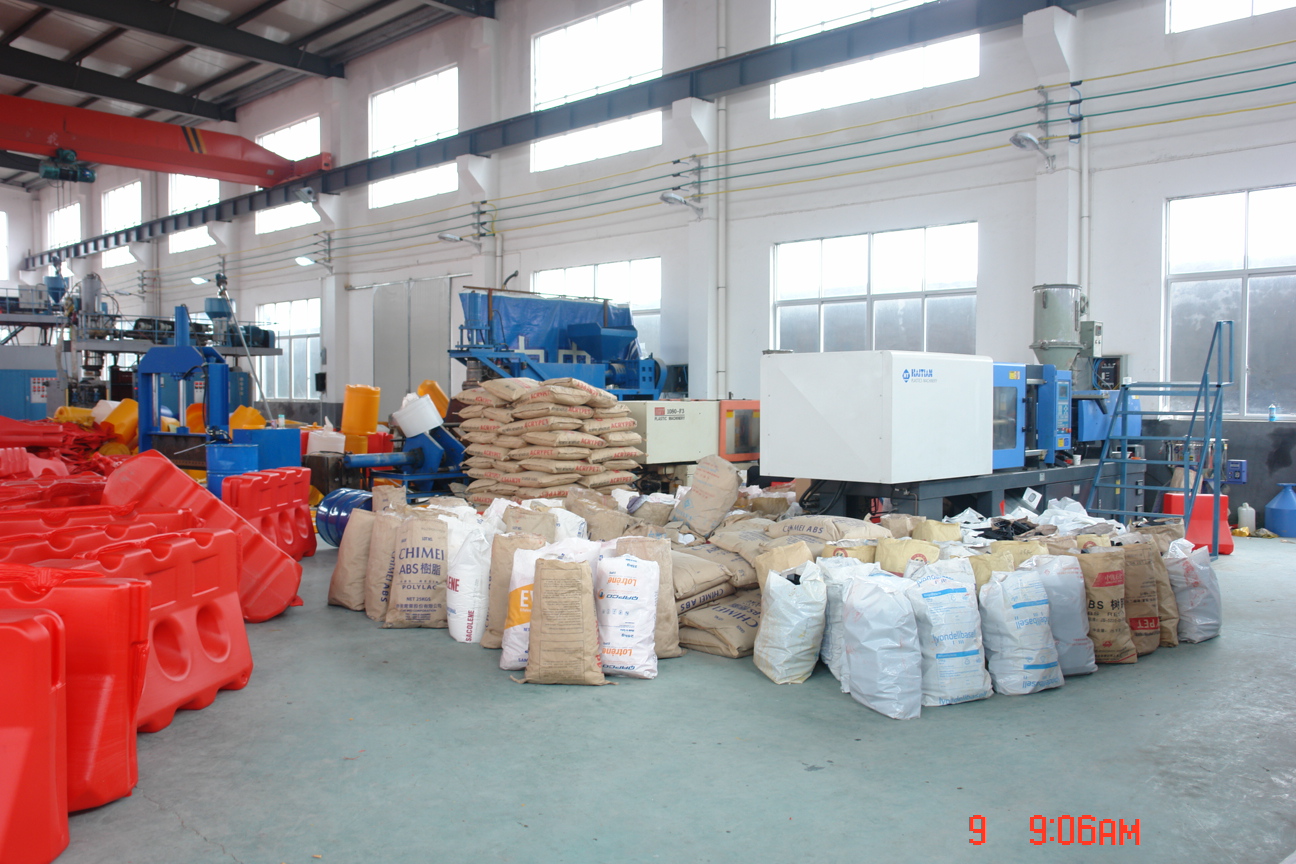
Production line where convex mirror lenses and ABS housings are formed and checked.
Use Cases: Where a Wide Field Changes the Risk Profile
The 130°+ field earns its place wherever two traffic streams meet at an angle the driver cannot see around. The applicable environments listed for the YD-OC series include road traffic, residential quarters, parking garages, factories and warehouses, logistics parks, shopping malls, supermarkets, schools, hospitals, gas stations, construction sites, office parks, ports and docks, bus stations, industrial zones, community intersections, rural roads and highway ramps.
- Warehouse aisle intersections. Racking blocks the line of sight at every cross-aisle; a wall- or pole-mounted mirror at the intersection returns the approaching forklift to view before either operator commits.
- Loading docks and dispatch yards. Reversing vehicles and pedestrians share the same apron. A mirror mounted at the dock edge shows the blind side of a trailer during a reverse manoeuvre.
- Parking structures and ramps. Spirals and blind ramp exits hide oncoming vehicles; a mirror at the ramp head converts an unseen approach into a visible one.
- Road corners and site entrances. Where a wall, hedge or building line cuts the sight triangle, a pole-mounted mirror on a 60 mm or 75 mm pole restores the view without moving the obstruction.
A distributor client in Thailand used the convex mirror range in a medium-scale traffic safety project aimed at improving visibility at road corners and parking blind spots. Delivery was on time and the installation passed local acceptance. The performance points recorded for that project were wide viewing angle, weatherproof construction and durable operation, across a project span of 5–8 years.
Comparison Tables: YD-OC Series and Lens Materials
The first table compares the six outdoor polycarbonate sizes on the specifications that drive selection. The second compares lens materials only on attributes that the source data used for this article actually states.
| Model | Lens diameter | Visual range | View angle | Curvature radius | Lens / backing | Weather rating |
|---|---|---|---|---|---|---|
| YD-OC45 | ø450 mm | 10–12 m | 130°+ | R2200–R3000 | PC / high-impact ABS | IP65 |
| YD-OC60 | ø600 mm | 15–18 m | 130°+ | R2200–R3000 | PC / high-impact ABS | IP65 |
| YD-OC75 | ø750 mm | 20–25 m | 130°+ | R2200–R3000 | PC / high-impact ABS | IP65 |
| YD-OC80 | ø800 mm | 22–28 m | 130°+ | R2200–R3000 | PC / high-impact ABS | IP65 |
| YD-OC100 | ø1000 mm | 30–35 m | 130°+ | R2200–R3000 | PC / high-impact ABS | IP65 |
| YD-OC120 | ø1200 mm | 35–45 m | 130°+ | R2200–R3000 | PC / high-impact ABS | IP65 |
Shared specification across the series: vacuum aluminum coating, lens thickness 0.6–1 mm (customizable), −30°C to +80°C operating range, Grade 8 UV resistance with a stated 3–5 year lifespan under that rating, 2.0 mm ABS back plate, heavy-duty galvanized steel bracket, fits 60 mm / 75 mm poles, Level 10 wind load resistance.
| Attribute | Polycarbonate (YD-OC standard) | Acrylic | Glass |
|---|---|---|---|
| Impact behaviour | Vandal-resistant and self-recovery (Mnsd specification) | — | Fractures under impact; lens must be replaced |
| Relative lens cost | 15–35% above equivalent acrylic (Mnsd 2026 outdoor mirror guide) | Reference point for that comparison | — |
| UV stabilization | UV-stabilized PC and ABS, Grade 8, 3–5 year rating | — | — |
| Surface hardness | Optional anti-scratch hard coating | — | Hard mineral surface |
A dash indicates that the source data used for this article does not state a comparable figure for that material.
Frequently Asked Questions
Which weather and durability ratings should an outdoor polycarbonate convex mirror carry?
The minimum set is an IP65 weatherproof rating, a UV-stabilized lens and backing, and a wind load rating that matches the mounting position. On the Mnsd YD-OC series, the lens and ABS backing are UV-stabilized to Grade 8 aging resistance with a stated 3–5 year lifespan under that rating, the assembly is rated IP65 for outdoor use, the operating temperature range is −30°C to +80°C, and the unit is specified for Level 10 wind load resistance on a galvanized steel bracket. Where a project is governed by a national or regional traffic safety standard, the applicable clause should be checked against the product datasheet at inquiry stage; the optional engineering-grade reflective rim tape is usually the point where a local retroreflective requirement attaches.
What can be customized in an OEM or ODM convex mirror program?
Diameter, backing material and lens material are the three open variables. Mnsd quotes customization across diameters of 45–120 cm, backings in PP, ABS or fiberglass, and lenses in polycarbonate or stainless steel. Production runs under OEM or ODM mode at a monthly capacity of 30,000 pieces, and every unit passes 100% impact and clarity inspection before packing.
How much does a polycarbonate lens add to unit cost compared with acrylic?
Roughly 15–35%, according to Mnsd's 2026 outdoor polycarbonate convex mirror guide, which places polycarbonate at 15–35% above the equivalent acrylic mirror. Whether that premium is justified is a site question: the relevant comparison is not lens price alone but lens price against the replacement cost, labour and downtime that follow a broken lens at that location.
How should a sample be validated before a full order?
Check the optical surface, the coating edge, the housing wall and the bracket, then verify the visual range at the intended mounting distance. Because every unit is inspected for impact and clarity, a sample review can concentrate on what a bench check cannot cover: whether the 130°+ field actually reaches the conflict point from the chosen bracket height, whether the R2200–R3000 curvature returns an image size the observer can read at that distance, and whether the 2.0 mm ABS back plate and galvanized steel bracket suit the wall or the 60 mm / 75 mm pole available on site. Samples can be requested from the manufacturer before a production slot is committed.
What are the MOQ and lead time for an outdoor polycarbonate convex mirror order?
The minimum order quantity is 100 pieces, and standard lead time is 15–20 days for a 20 ft container at a monthly capacity of 30,000 pieces. Custom diameters, backing materials or lens materials change the production sequence, so the confirmed schedule should be fixed at order review rather than assumed from the standard figure. Production slots and current lead times are confirmed by the sales team at info@mnsdtraffic.com or on WhatsApp at +86 184-5813-7305, and the full product catalogue is available for download as a PDF.
Conclusion: Curvature, Diameter and Material Decide Whether the Blind Spot Closes
A blind spot closes when three things line up: enough curvature to capture the conflict zone, enough diameter to resolve a vehicle at the working distance, and a lens that is still intact after the first impact. The R2200–R3000 curvature range and the 130°+ field of view address the first requirement. The YD-OC series from ø450 mm to ø1200 mm, with visual ranges from 10–12 m to 35–45 m, addresses the second. The polycarbonate lens in a UV-stabilized ABS housing, rated IP65 and carried on a galvanized steel bracket, addresses the third.
For buyers moving from evaluation into execution, the practical sequence is to request the specification sheet for the diameter under consideration, confirm the curvature, lens and backing combination against the site, and test a sample at the actual mounting height before committing to a container. The figures in this article are the ones to check against a quotation, because those are the figures that determine whether the corner is visible in service and whether the unit is still there a season later.
Next Step: Catalogue, Specification and Sample
Mnsd supplies outdoor polycarbonate convex mirrors for importers, distributors, contractors and infrastructure project suppliers. Request the catalogue, the specification sheet for the diameter you need, or a sample for site testing.
Catalogue PDF: Download the Mnsd product catalogue
Website: www.mnsdtraffic.com
Email: info@mnsdtraffic.com | WhatsApp: +86 184-5813-7305
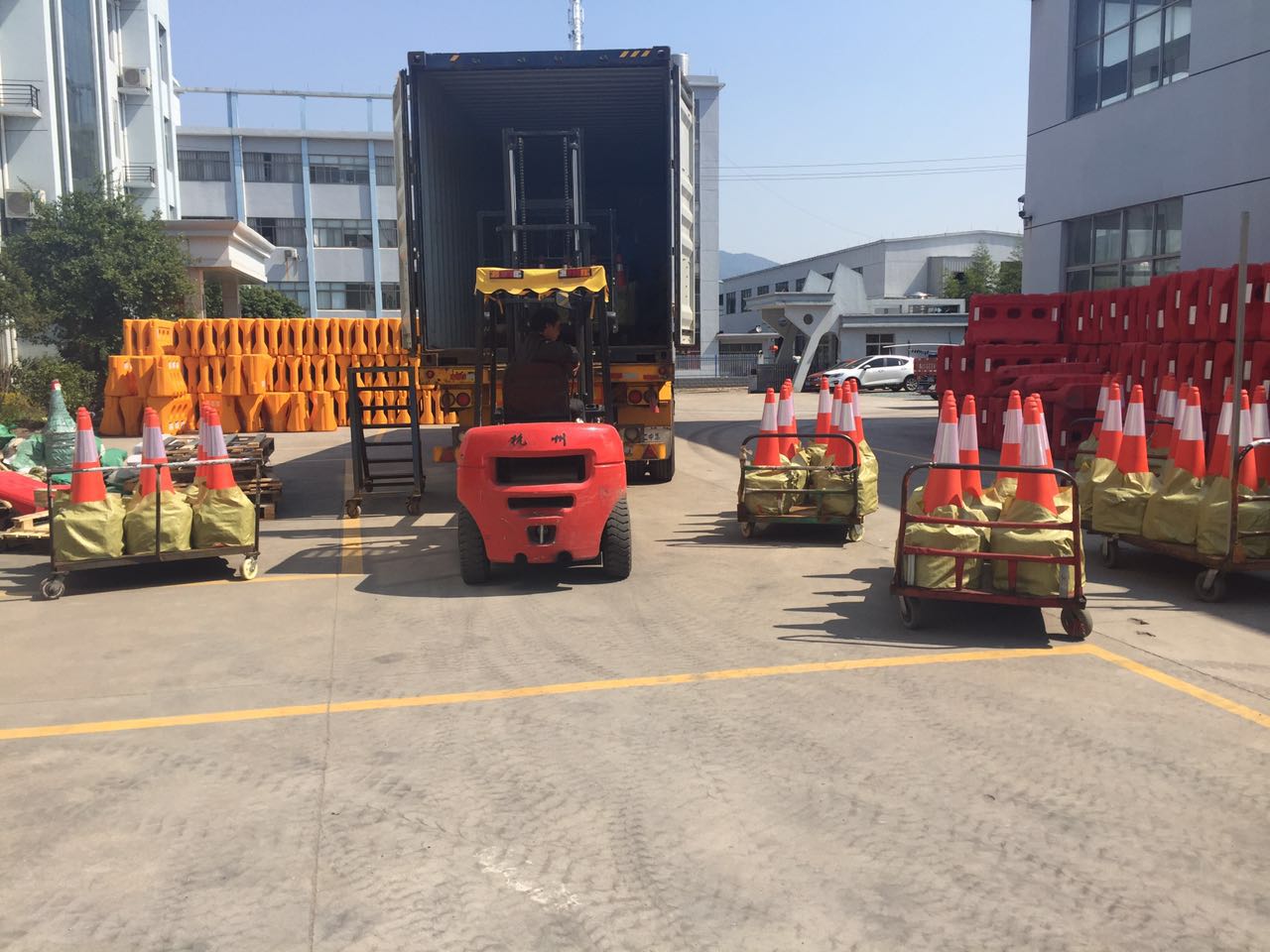
Finished convex mirror orders packed and loaded for container shipment.
Have Questions or Need More Details?
Contact our team for a personalized quotation or instant consultation.
Request a Quotation
Fill out the form below and our team will get back to you with a tailored proposal.
WhatsApp Direct Chat
Prefer to chat in real-time? Message us on WhatsApp for instant assistance & quick answers.
- Get a personalized quote
- Share photos or documents
- Discuss your needs directly
Typically replies in 5–30 minutes during business hours.