
Convex Mirror Partnership FAQs: Long-Term Durability, Weather Resistance, and Support
Convex Mirror Partnership FAQs: Long-Term Durability, Weather Resistance, and Support
Most convex mirror guides answer one question: which diameter do I need? That question matters, but it is not the question that decides whether a multi-year supply relationship works. Buyers sourcing for road corners, parking garages, factories and warehouses are ultimately asking three things: will the mirror still perform after years of sun, rain, frost and wind; will the next batch match the one already installed; and will the supplier still be reachable when a site needs a replacement.
This FAQ article answers those questions directly for the Mnsd outdoor polycarbonate convex mirror range, using published product specifications rather than general claims.
Quick Answers
- Service life: Grade 8 UV resistance with a 3–5 year outdoor lifespan, built on UV-stabilized polycarbonate and ABS.
- Weather envelope: IP65 weatherproof rating, operating range of −30°C to +80°C, and Level 10 wind load resistance.
- Models covered: YD-OC60 (∅600 mm), YD-OC75 (∅750 mm), YD-OC100 (∅1000 mm) and YD-OC120 (∅1200 mm).
- Visual range: 15–18 m, 20–25 m, 30–35 m and 35–45 m respectively, with 130°+ wide-angle vision (180° on the YD-OC75).
- Partnership mechanics: MOQ 100 pcs, 15–20 day lead time for a 20 ft container, 30,000 pcs monthly capacity, and 100% impact and clarity inspection.
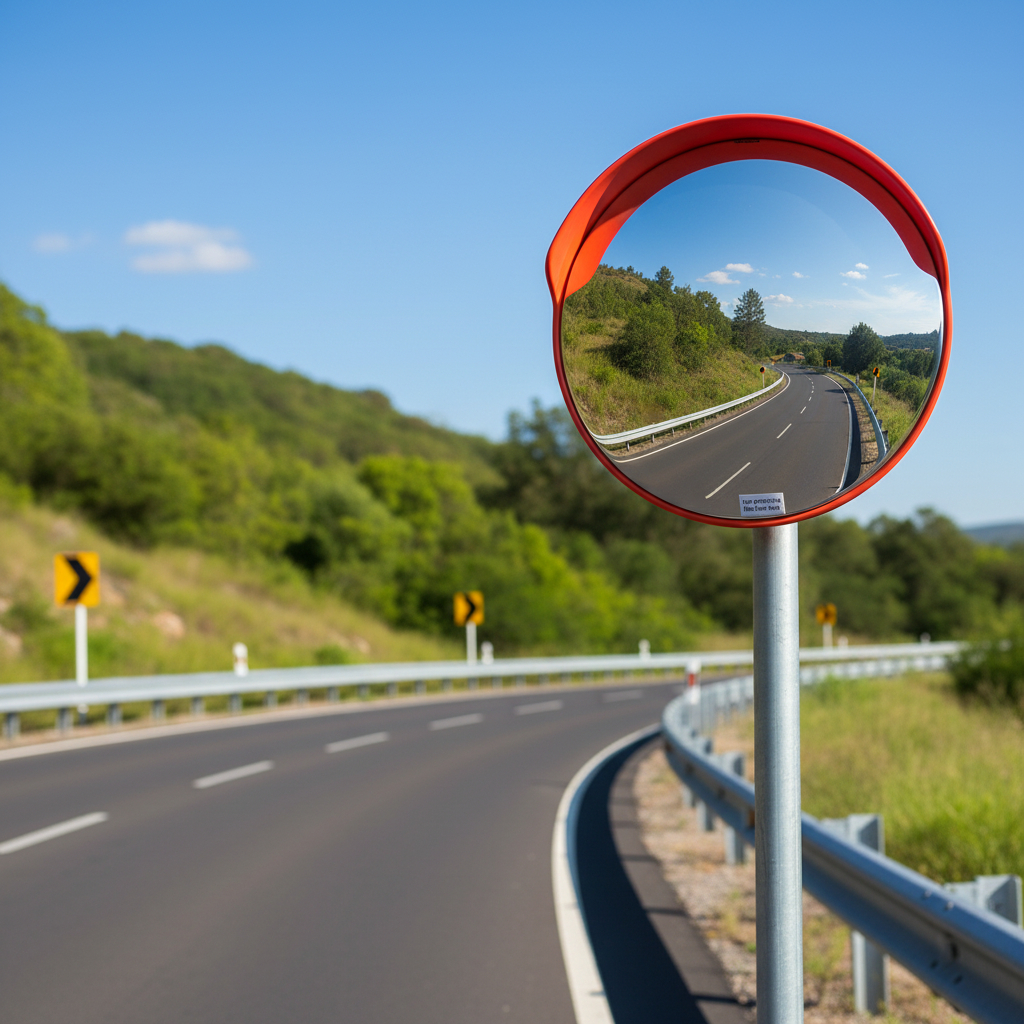
Problem Definition: Why Durability and Support Decide a Convex Mirror Partnership
A convex mirror is a passive safety device. It operates in fixed physical reflection mode, or 24/7 passive monitoring, with no power supply, no wiring and no diagnostics. Nothing about the installation tells an operator that performance has degraded — a lens that has clouded or yellowed still reflects, just less usefully. That is exactly why durability, weather resistance and after-sales support move to the top of the evaluation list once a buyer shifts from single orders to an annual or project-based agreement.
Three risks dominate that evaluation:
- Optical degradation over time. UV-stabilized materials and a vacuum aluminum coating are what keep a reflected image readable after years of exposure. If either is downgraded to reduce cost, the mirror keeps working physically but stops delivering the visibility it was specified for.
- Weather and structural failure. Water ingress at the hood or bracket, frost on a roadside lens, and wind loading on a pole-mounted installation are the practical failure points. In this product family they are addressed by an IP65 weatherproof rating, an operating range of −30°C to +80°C, and Level 10 wind load resistance.
- Supplier-side risk. If curvature radius, lens thickness or backing material change between batches, the installed base becomes inconsistent and the safety case no longer holds for the sites already signed off. Consistency is a manufacturing property, not a marketing one.
There is also a fourth, quieter risk: continuity of support. A distributor who has standardized on a mirror model across a portfolio of parking garages, warehouses or roadside contracts needs the same specification available again in two or three years, with documentation that matches what was originally delivered. This article treats that requirement as a first-class buying criterion rather than an afterthought.
Industry Background: A Growing Category Where Supplier Consistency Matters
Demand for passive visibility devices continues to expand. According to Dataintelo, the global convex mirror market was valued at approximately USD 1.04 billion in 2025 and is projected to reach USD 1.73 billion by 2034. The same source reports that Asia Pacific dominated the category with a 42.5% revenue share in 2025, and that traffic and safety applications hold the largest single application share at 38.2%.
At the same time, general mirror supply chains have been unsettled. Global trade in unframed mirrors declined 9.2% in 2023 compared with 2022, reflecting broader supply-chain shifts and softer demand in commodity mirror products. For safety buyers, the practical reading is straightforward: availability is no longer the main problem — consistency, documentation and continuity of supply are.
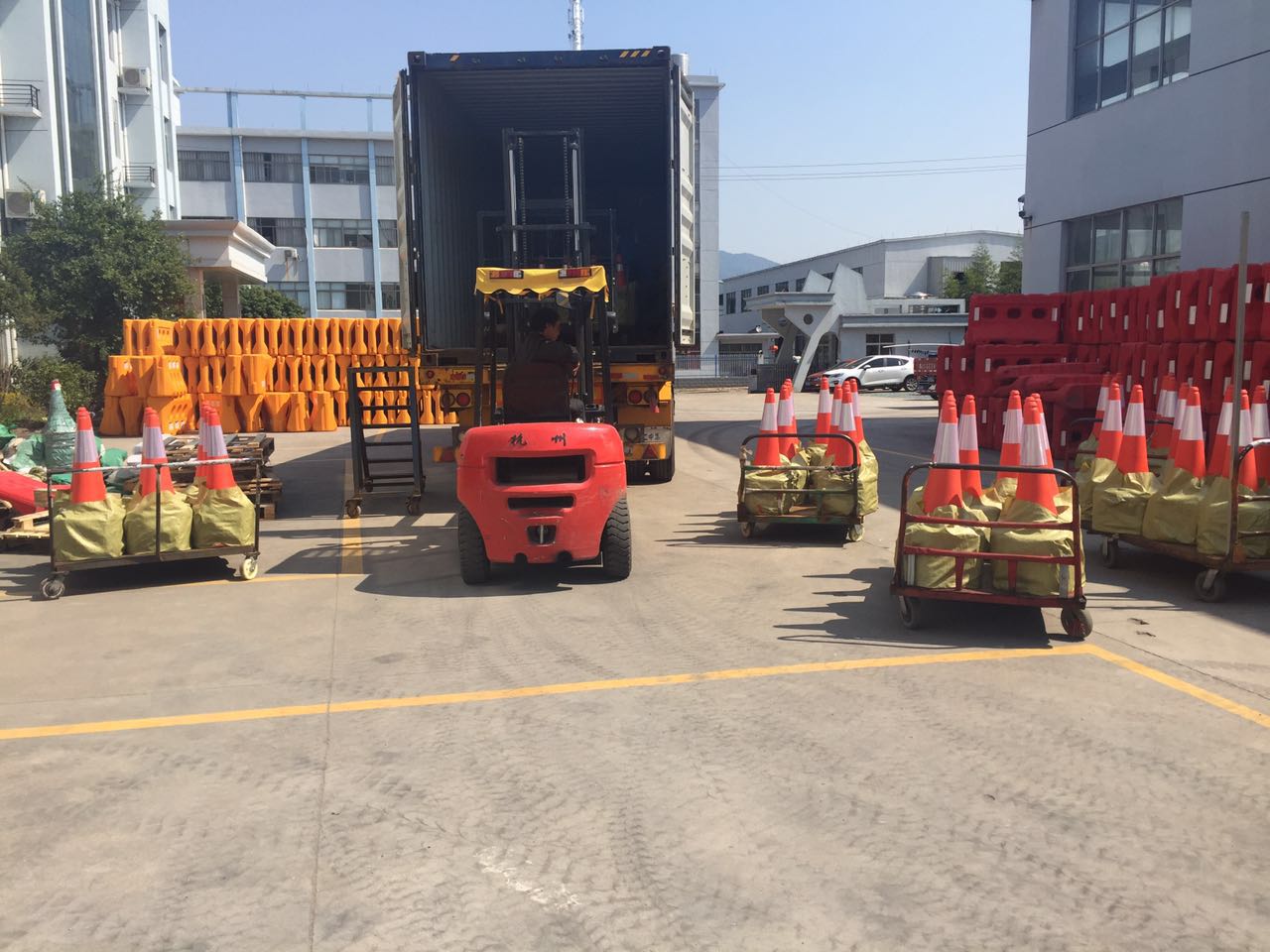
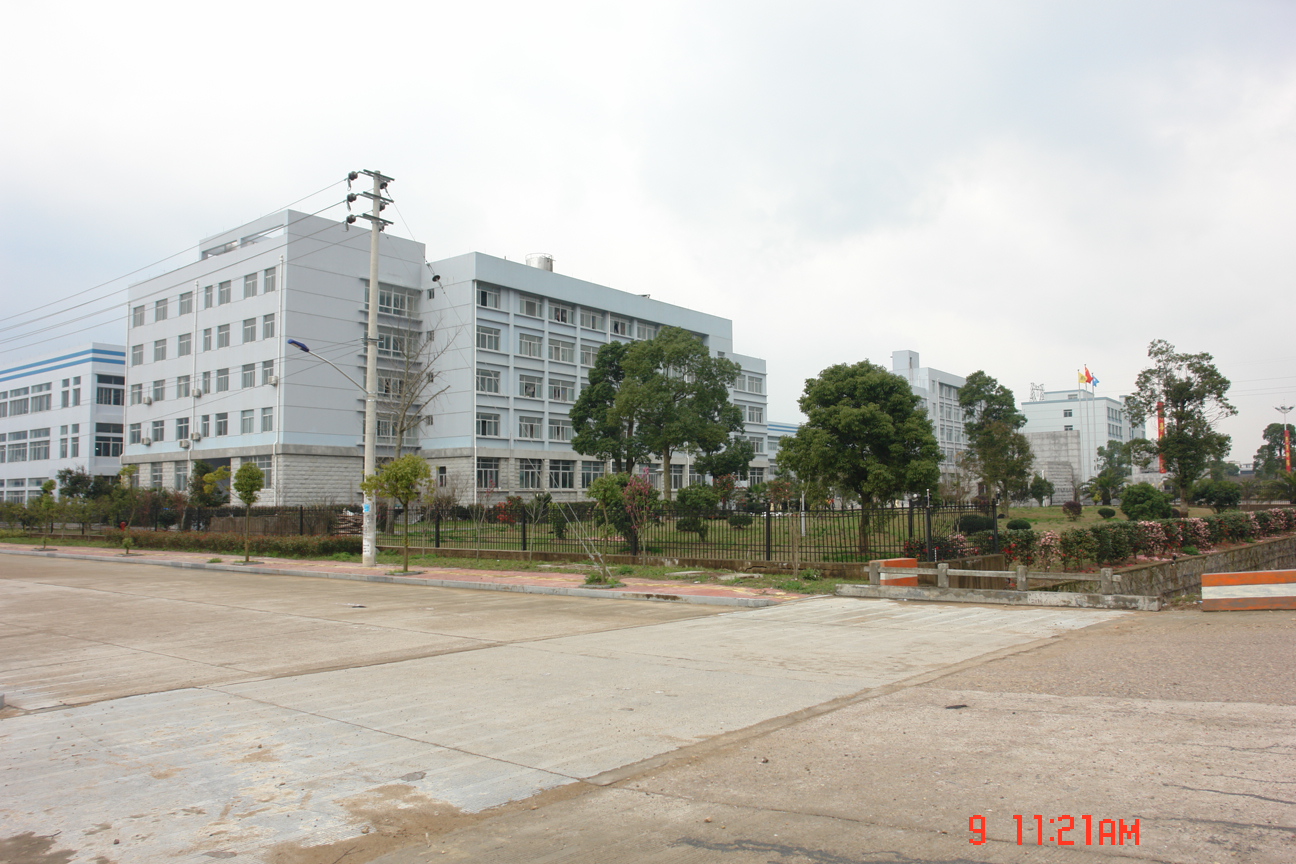
Mnsd is the brand of Tiantai Yuanda Traffic Device Co., Ltd., a road safety equipment manufacturer based in Tiantai, Zhejiang, China. The company produces convex mirrors alongside warning posts, rising bollards, speed humps and traffic lights, reports an annual output of 120,000,000 units across its product lines, maintains a 15-person R&D team, and exports approximately 50% of its output to markets in Asia, Europe and the USA. Its convex mirror production line has a stated monthly capacity of 30,000 pcs.
Detailed Solution: What the Durability, Weather and Support Specs Actually Mean
Construction and materials that carry the service life
The YD-OC series is built around an impact-resistant polycarbonate (PC) lens with a vacuum aluminum coating, supplied at a lens thickness of 0.6–1 mm (customizable) and a curvature radius of R2200–R3000. The lens sits on a high-impact ABS backing with a 2.0 mm back plate, and the unit is mounted through a heavy-duty galvanized steel bracket that fits 60 mm or 75 mm poles. The housing is finished in bright orange for high daytime visibility, with engineering-grade reflective tape available as an option on the rim.
Each of these details answers a specific failure mode. Polycarbonate with a self-recovery impact rating absorbs strikes from vehicles, trolleys and loading equipment instead of shattering. The vacuum aluminum coating protects reflectivity rather than relying on a bare polymer surface. The galvanized steel bracket addresses corrosion at the point where most outdoor installations fail first — the mounting interface. An anti-scratch hard coating is available as an option where abrasive dust or repeated cleaning is expected.
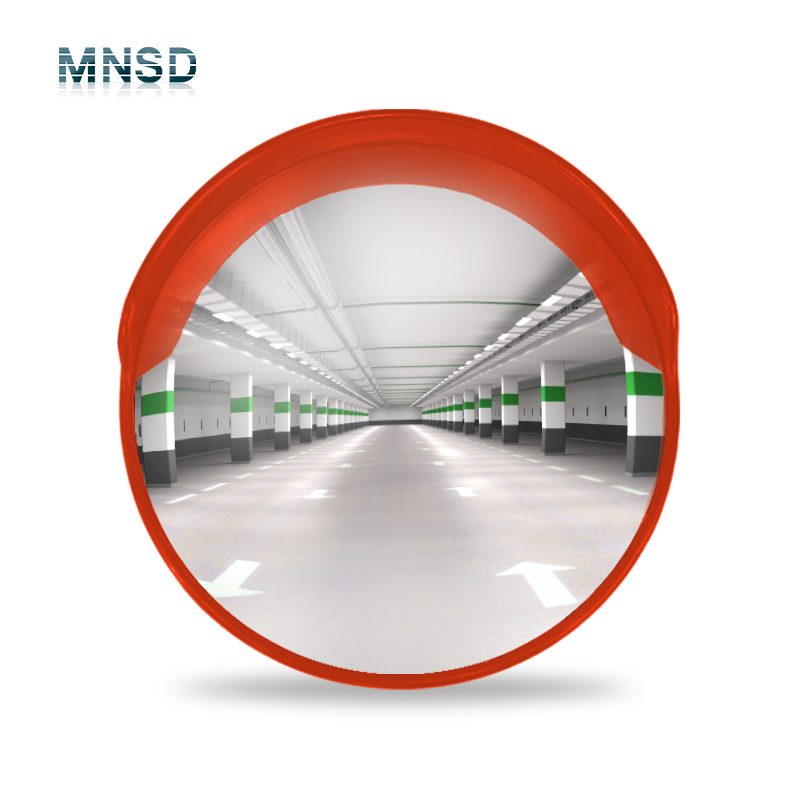
The weather-resistance envelope in plain terms
The published weather specification for the range is IP65 for outdoor use, an operating temperature range of −30°C to +80°C, UV-stabilized PC and ABS, Grade 8 UV resistance with a 3–5 year lifespan, and Level 10 wind load resistance. Read together, that envelope covers the conditions these mirrors are normally specified for: outdoor intersections, underground garage corners, T-junctions and other positions with significant blind spots, where the unit is exposed to direct sun, rain, frost and gust loading without any protective structure.
Two clarifications are worth putting in writing before a long-term agreement is signed. First, the 3–5 year lifespan is a specification under defined outdoor exposure, not a guarantee for every site; coastal salt spray, abrasive dust or repeated high-impact events at truck docks fall outside the standard envelope and should be raised during specification. Second, the same applies to the IP65 and Level 10 ratings — they describe the product as tested, and depend on correct mounting with the approved bracket and expansion bolts.
Manufacturing consistency: the part of a partnership buyers underestimate
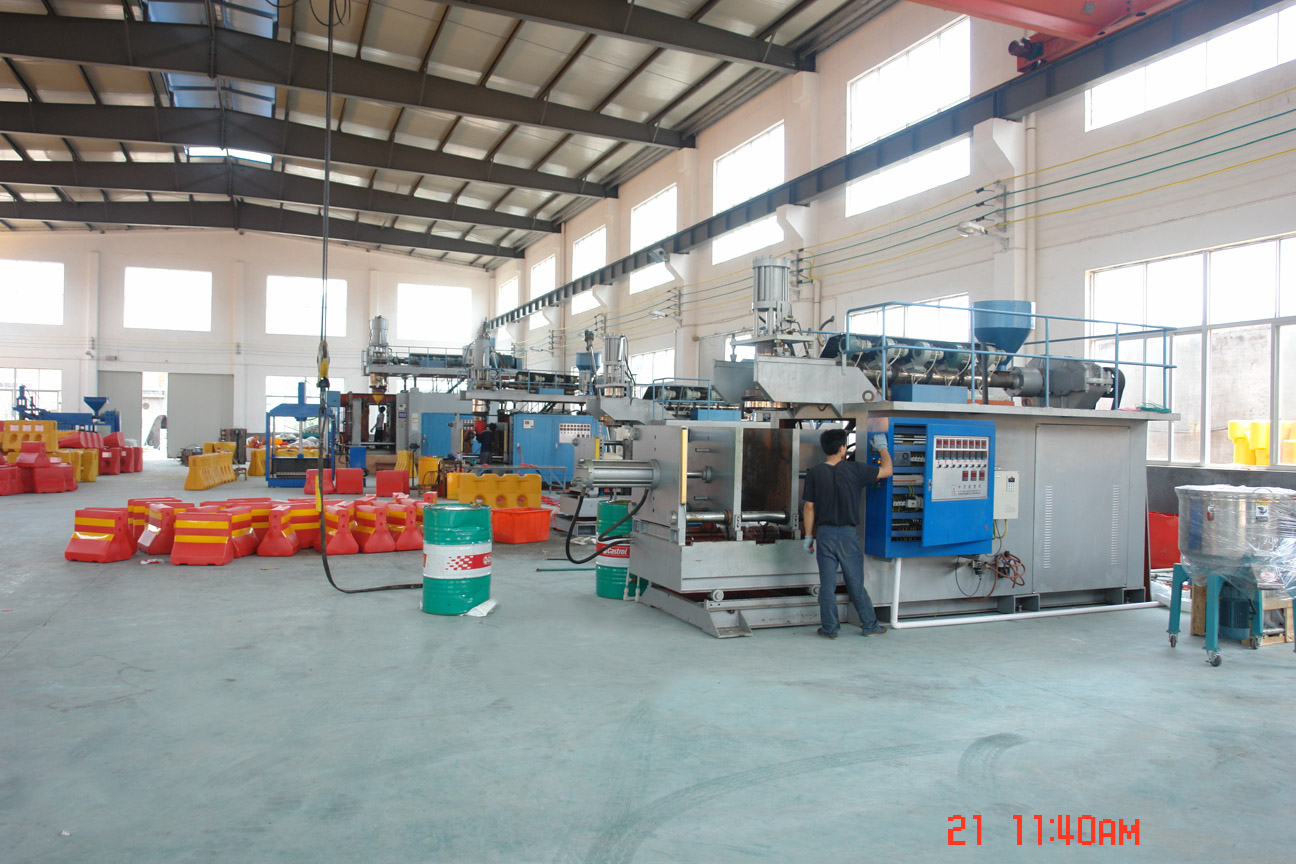
Consistency is where a supplier relationship is won or lost. Mnsd manufactures the convex mirror range under an OEM/ODM model with customization of diameter (45–120 cm), back material (PP/ABS/fiberglass) and lens material (PC/stainless steel). Every unit passes 100% impact and clarity inspection before packing, and the line runs at 30,000 pcs per month, with an MOQ of 100 pcs and a lead time of 15–20 days for a 20 ft container.
For a buyer standardizing across multiple sites, the practical value is that a repeat order can be produced to the same diameter, curvature and material combination that was originally approved — rather than to whatever substitute material happens to be cheapest that quarter. That is the difference between a purchase and a supply program.
Support after delivery
After-sales support is delivered remotely, covering specification questions, mounting guidance and repeat-order coordination. A documented distributor project in Thailand illustrates the pattern: a medium-sized traffic safety project aimed at improving visibility at road corners and parking blind spots, with a service duration of 5–8 years, delivered on time and passed at local acceptance. The stated project highlights were wide viewing angle, weatherproof construction and durability — the same three attributes buyers question most when committing to a long-term supply relationship.
Step-by-Step: How to Evaluate a Convex Mirror Partner for a Multi-Year Project
The evaluation sequence below works for road safety contractors, facility operators and distributors building a repeatable specification.
Step 1 — Define the blind spot before choosing a diameter
Start with the approach geometry: the distance from which a driver or pedestrian must first see cross-traffic, the mounting height available, and whether the position is wall-mounted or pole-mounted. This determines the diameter and, in turn, the visual range you need.
Step 2 — Match the model to the required visual range
The YD-OC series covers four principal sizes. YD-OC60 (∅600 mm) delivers a 15–18 m visual range; YD-OC75 (∅750 mm) delivers 20–25 m with 180° panoramic coverage; YD-OC100 (∅1000 mm) reaches 30–35 m; and YD-OC120 (∅1200 mm) reaches 35–45 m. The broader range extends from ∅450 mm at 10–12 m up to ∅1200 mm, which is the same 45–120 cm customization window offered for OEM/ODM orders.
Step 3 — Test the durability and weather claims against the real climate
Compare the site's temperature extremes against the −30°C to +80°C operating range, its rainfall and wash-down exposure against the IP65 rating, and its wind exposure against the Level 10 wind load specification. Where a project owner imposes its own standard, confirm the boundaries in writing: FMVSS No. 111, for example, governs convex mirrors installed in passenger cars as supplements, with a radius of curvature between 35 and 65 inches and a required warning marking — it does not define roadside or facility convex mirrors, which are usually governed by the project specification instead.
Step 4 — Verify batch consistency and customization control
Ask what happens between batches. In this case the answer is a fixed material set (UV-stabilized PC lens, ABS backing), a published curvature radius band of R2200–R3000, and 100% impact and clarity inspection on every unit rather than sampling. Confirm which tolerances the supplier will hold across repeat orders.
Step 5 — Confirm support, replenishment and commercial terms
Finally, check the commercial wrapper: MOQ of 100 pcs, 15–20 days for a 20 ft container, 30,000 pcs monthly capacity, and an after-sales channel that answers questions after the container has been received. These are the terms that determine whether the second and third orders are as straightforward as the first.
Use Cases: Where These Durability and Weather Specs Are Actually Tested
Convex mirror installations fall into a small number of environments, and each stresses a different part of the specification.
- Road traffic, T-junctions, community intersections and rural roads: sustained UV and rain exposure, with the mirror operating outdoors year-round. The Grade 8 UV resistance and IP65 rating carry this use case.
- Parking garages and underground corners: low-light conditions, tighter sight lines and vehicle contact. Short visual ranges and impact-resistant, self-recovery lenses are the priority here.
- Factories, warehouses and logistics parks: forklift and truck traffic at intersections and loading docks, where abrasion and impact are frequent. The optional anti-scratch hard coating and the vandal-resistant lens structure matter most.
- Roadside positions in cold climates: frost and temperature cycling, which is where the −30°C low end of the operating range and the anti-frost positioning of the mirror face become relevant.
Installation requirements are consistent across these environments. The unit operates in fixed physical reflection mode, and requires supporting equipment such as mounting brackets (pole-mount clamps), support pillars, reflective film or tape, and expansion bolts. The design intent is unchanged whatever the site: eliminate blind spots, expand the driver's field of vision, prevent vehicle collisions, and protect both pedestrians and vehicles.
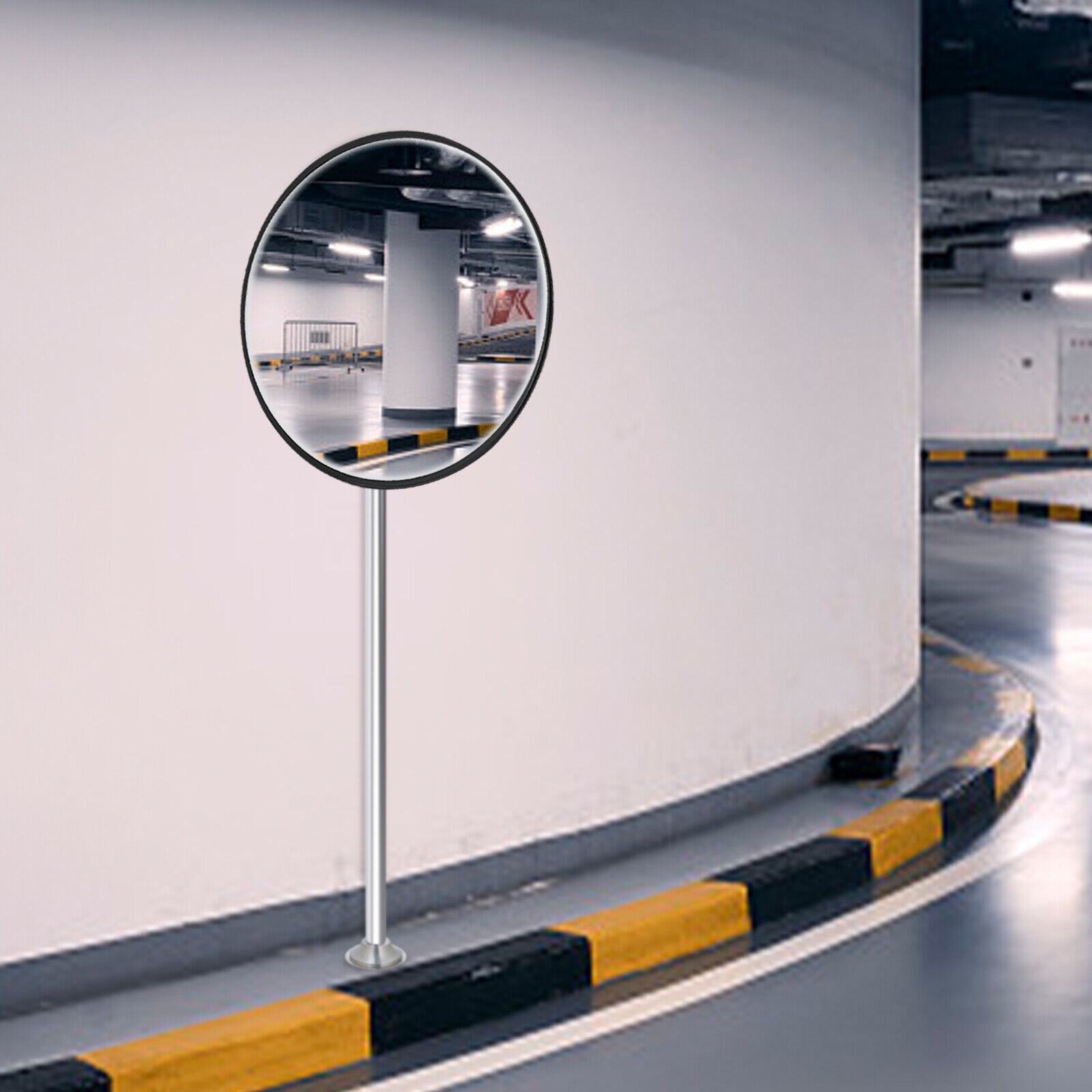
Model Comparison: YD-OC60, YD-OC75, YD-OC100 and YD-OC120
The four principal models share one material system and one weather specification; they differ in diameter, visual range and view angle. That means a larger mirror is not automatically a better one — it is the correct choice only when the required visual range demands it.
| Model | Mirror diameter | Visual range | View angle | Typical fit |
|---|---|---|---|---|
| YD-OC60 | ∅600 mm | 15–18 m | 130°+ wide angle | Garage corners, small yard entrances, short sight lines |
| YD-OC75 | ∅750 mm | 20–25 m | 180° panoramic | Medium intersections, parking aisles, warehouse crossings |
| YD-OC100 | ∅1000 mm | 30–35 m | 130°+ wide angle | Wide parking entrances, T-junctions, logistics yards |
| YD-OC120 | ∅1200 mm | 35–45 m | 130°+ wide angle | Long approach roads, highway ramps, large industrial gates |
Shared specification across all four models:
| Specification | Value |
|---|---|
| Mirror material | Impact-resistant polycarbonate (PC) |
| Surface treatment | Vacuum aluminum coating |
| Lens thickness | 0.6–1 mm (customizable) |
| Curvature radius | R2200–R3000 |
| Backing | High-impact ABS, 2.0 mm back plate |
| Color | Bright orange (high visibility) |
| Mounting bracket | Heavy-duty galvanized steel; fits 60 mm / 75 mm poles |
| Weatherproof rating | IP65 (outdoor use) |
| Operating temperature | −30°C to +80°C |
| UV / aging resistance | UV-stabilized PC & ABS; Grade 8 UV resistance; 3–5 year lifespan |
| Wind resistance | Level 10 wind load resistant |
| Impact rating | Vandal-resistant with self-recovery |
| Optional | Anti-scratch hard coating; engineering-grade reflective tape on rim |
FAQ: Long-Term Convex Mirror Partnership Questions
How long do Mnsd outdoor polycarbonate convex mirrors last in outdoor use?
The published aging specification for the YD-OC series is Grade 8 UV resistance with a 3–5 year service lifespan under outdoor exposure. That figure is tied to a specific material system: a UV-stabilized polycarbonate lens and UV-stabilized ABS backing, a vacuum aluminum coating on the lens, and a galvanized steel mounting bracket. It is a specification under defined outdoor conditions rather than a guarantee for every site, so coastal salt exposure, abrasive environments and repeated high-impact positions should be discussed during specification.
What weather conditions can these convex mirrors handle?
The range is rated IP65 for outdoor use, with an operating temperature range of −30°C to +80°C and Level 10 wind load resistance on the mounting structure. The hooded design and ABS back plate protect the reflective surface from direct rain, while UV-stabilized PC and ABS slow the yellowing and embrittlement that shorten the life of untreated plastics. The lens is also rated vandal-resistant with self-recovery, so impact from vehicles or handling does not normally end the unit's service.
How is batch-to-batch consistency controlled over a multi-year agreement?
Consistency comes from fixed materials and full inspection rather than sampling. Every unit passes 100% impact and clarity inspection, and the published curvature radius band is R2200–R3000, with lens thickness of 0.6–1 mm and a 2.0 mm ABS back plate. Customization is available across diameter (45–120 cm), back material (PP/ABS/fiberglass) and lens material (PC/stainless steel), which means the specification approved for the first order can be reproduced for repeat orders instead of being re-negotiated each time. For projects that must follow a specific standard, confirm the governing document in writing — FMVSS No. 111, for instance, applies to convex mirrors fitted inside passenger cars, not to roadside or facility installations.
What support does a long-term partner receive after delivery?
After-sales support is provided remotely, covering specification clarification, mounting guidance and repeat-order coordination against a monthly capacity of 30,000 pcs. A distributor project in Thailand illustrates the working model: a medium-sized traffic safety project to improve visibility at road corners and parking blind spots, delivered on time, passed at local acceptance, and reported with a 5–8 year service duration. The stated highlights were wide viewing angle, weatherproof construction and durability — the attributes that determine whether a partner can standardize on the same model across multiple sites.
What are the MOQ, lead time and ordering terms for repeat business?
The MOQ is 100 pcs, production lead time is 15–20 days for a 20 ft container, and the line runs at 30,000 pcs per month under an OEM/ODM model. For buyers validating a specification before scaling, the usual route is to start with a sample or a trial quantity of the target diameter, confirm the visual range and mounting position on site, and then place the container order against the same specification. To request a sample, a quotation for a specific model mix, or the full product catalog, contact Mnsd / Tiantai Yuanda Traffic Device Co., Ltd. directly at info@mnsdtraffic.com.
Conclusion: What a Long-Term Convex Mirror Partnership Actually Requires
Durability, weather resistance and support are not separate questions — they form one continuous requirement. A mirror that survives five years of UV and frost but cannot be re-ordered to the same specification in year three creates the same safety gap as one that fails outright. The YD-OC series answers the product side with an impact-resistant polycarbonate lens, Grade 8 UV resistance and a 3–5 year lifespan, IP65 weatherproofing, a −30°C to +80°C operating range and Level 10 wind load resistance; the manufacturing side answers it with a fixed material system, 100% impact and clarity inspection, 30,000 pcs monthly capacity, and a 15–20 day lead time for a 20 ft container.
Next Step
If you are evaluating a convex mirror supplier for a multi-year program, start with the specification rather than the price. Download the Mnsd product brochure for the full model and parameter list, or request a sample of the diameter you intend to standardize on.
Download the Mnsd product brochure (PDF) | Website: www.mnsdtraffic.com | Email: info@mnsdtraffic.com | WhatsApp: +86 184-5813-7305
Specifications in this article refer to the Mnsd YD-OC outdoor polycarbonate convex mirror series. Service life, weather resistance and lead time figures are published product specifications and should be confirmed against your project's site conditions before ordering.
Have Questions or Need More Details?
Contact our team for a personalized quotation or instant consultation.
Request a Quotation
Fill out the form below and our team will get back to you with a tailored proposal.
WhatsApp Direct Chat
Prefer to chat in real-time? Message us on WhatsApp for instant assistance & quick answers.
- Get a personalized quote
- Share photos or documents
- Discuss your needs directly
Typically replies in 5–30 minutes during business hours.