
The Technical Buyer's Guide to Convex Mirror Lens Thickness, Curvature Radius, and Field of View
The Technical Buyer's Guide to Convex Mirror Lens Thickness, Curvature Radius, and Field of View
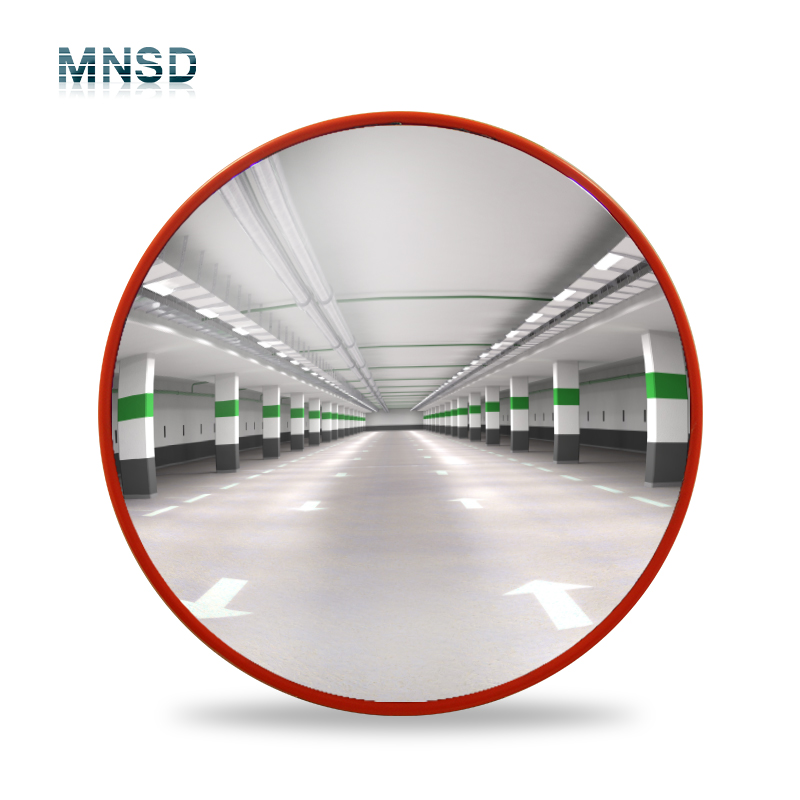
An outdoor convex mirror is approved on three numbers, not on a photograph. Lens thickness decides how the polycarbonate lens behaves under impact and thermal cycling. Curvature radius decides how much of a blind spot the mirror can actually resolve. Field of view decides what a driver sees — and how badly the reflected image is compressed. Buyers who sign off on a mirror without those three values usually discover the gap on site, after the units are installed and the second purchase order is already being planned.
This guide is written for the technical buyer at the decision and execution stage: the safety engineer, procurement manager or distributor who has to convert a site problem into a specification that can be quoted, installed and repeated. It works through the operating parameters of Mnsd outdoor polycarbonate convex mirrors — lens thickness from 0.6 mm to 1 mm (customizable), curvature radius from R2200 to R3000, field of view above 130°, an operating temperature range of −30°C to +80°C, and an optional scratch-resistant coating. Each section explains what the parameter changes on site and what it means for the next order.
Problem Definition: Why "Wide Angle" Is Not a Purchasing Specification
A convex mirror is a passive safety device: it reflects a wide viewing angle, needs no power, and requires almost no maintenance beyond occasional cleaning. That simplicity is exactly why the specification stage gets skipped. When a convex mirror underperforms, the cause is rarely the product category. It is a parameter mismatch that nobody wrote down.
Three failure modes account for most of the complaints that reach a supplier after delivery.
1. Distortion is mistaken for coverage. A very short curvature radius produces a dramatic wide-angle image. It also compresses the far side of the frame, so a driver approaching a warehouse corner cannot judge whether the vehicle in the mirror is four metres away or fifteen. Coverage improves on paper; decision quality on site goes down. The mirror looks impressive and the near-miss rate does not change.
2. The lens fails before the mirror body does. Polycarbonate is used for outdoor mirrors because it resists impact far better than glass or acrylic at comparable thickness. Impact, however, is not the only load. A lens that is too thin for its diameter deflects under wind load and thermal cycling across a −30°C to +80°C range, and an untreated surface hazes under UV and abrasive cleaning long before the housing shows any wear.
3. The specification drifts between orders. Batch one matches the site. Batch two arrives with a slightly different curvature radius or a lens without the anti-scratch coating, and the mirror that worked no longer behaves the same way. This is a supply-chain failure rather than an optics failure, and it is the most common reason distributors lose confidence in a mirror source.
All three failure modes are prevented by one action: writing lens thickness, curvature radius, field of view, operating temperature range and surface treatment into the purchase specification — then treating that document as the order, not the catalogue photo.
Industry Background: A Broad Category Where Specification Discipline Separates Suppliers
Convex mirrors are a substantial and growing category, but the growth is concentrated in the segment where buyers genuinely care about numbers. The global convex mirror market was valued at approximately USD 1.04 billion in 2025 and is projected to reach USD 1.73 billion by 2034, with Asia Pacific holding a 42.5% revenue share in 2025 and traffic and safety applications accounting for 38.2% of the market (Dataintelo).
At the same time, global trade in unframed mirrors declined 9.2% in 2023 compared with 2022 (Business Research Insights) — a signal that the general mirror category is absorbing supply and demand pressure while safety-specific, specification-driven products keep expanding. The practical consequence for a technical buyer is a wide and uneven supply base. Many suppliers can quote for an outdoor convex mirror. Far fewer can state a lens thickness range, a curvature radius band and a coated-surface option as fixed specifications, and then reproduce all three on the next shipment.
That is the difference between buying a mirror and buying a mirror specification. The remainder of this guide deals with the second one, because it is the only version that scales across sites, projects and reorders.
Detailed Solution: What Each Parameter Actually Controls
Five parameters determine how an outdoor convex mirror performs and how long it keeps performing: lens thickness, curvature radius, field of view, operating temperature range and surface protection. Each is specified numerically on the Mnsd outdoor polycarbonate convex mirror line, and none of them can be inferred from mirror diameter.
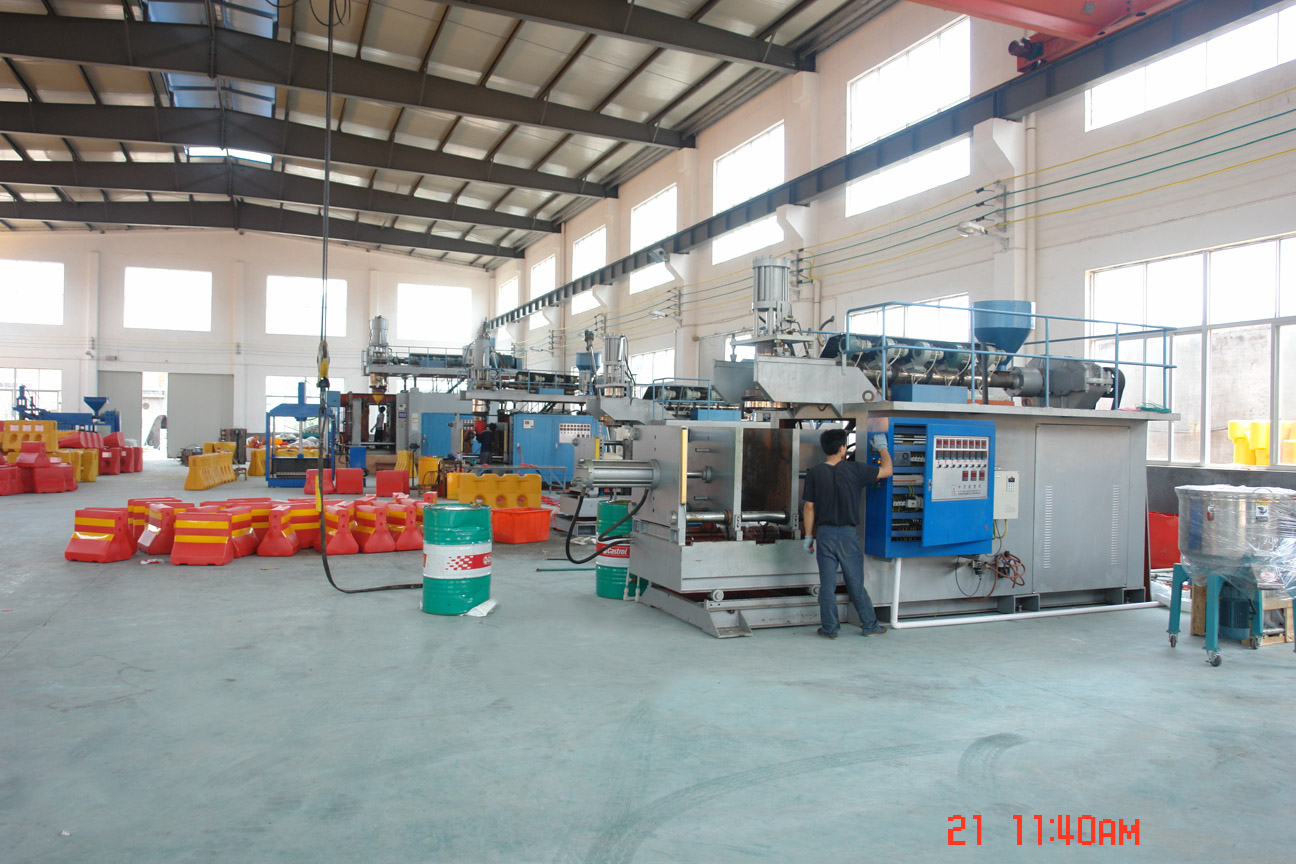
Lens thickness: 0.6 mm to 1 mm, customizable per configuration
The lens of an outdoor polycarbonate convex mirror is specified between 0.6 mm and 1 mm, and it is a customizable parameter rather than a single catalogue value. Thickness does three jobs at the same time:
- Impact resistance. A thicker polycarbonate lens absorbs more energy before cracking. This is the decisive difference where vehicles, forklifts, mowers or wind-borne debris are part of normal site operation.
- Rigidity and optical stability. A lens that deflects under wind load or thermal cycling changes its effective curvature, and therefore changes the image. Thicker lenses hold their geometry over a wider temperature range and across larger mirror diameters.
- Coating durability. A hard coating bonds to the lens surface. Thicker substrates tolerate cleaning cycles and abrasion better, so a coated 1 mm lens generally keeps optical clarity longer than a coated 0.6 mm lens in the same environment.
The trade-off is weight and material input. For a sheltered indoor corner, 0.6 mm is often sufficient. For exposed roadway, logistics park and loading-dock mounting, the upper end of the range is the safer specification. Because thickness is customizable, the buyer can name a value instead of accepting whatever arrives.
Curvature radius: R2200 to R3000
Curvature radius is the parameter that most directly connects a mirror to the site it is meant to protect. On any convex surface, a shorter radius produces a wider reflected angle with more image compression; a longer radius produces a flatter, more readable image with a narrower capture. Mnsd mirrors are specified across the R2200 to R3000 band, which lets a buyer tune the reflected image rather than accept it as delivered.
At the R2200 end, the mirror captures more of the approach lane from a given mounting height and viewing distance — useful where the conflict point sits close to the mirror and a driver has to see the whole junction at once. At the R3000 end, straight lines stay straighter and distance judgment improves — useful where a driver must decide whether to enter a shared aisle or cross a dock apron.
Field of view: above 130°
Field of view describes the angular span the mirror reflects back. Mnsd outdoor polycarbonate convex mirrors are specified above 130°, which is enough to cover the intersection, aisle corner or dock approach the unit is mounted to resolve. For reference, outdoor polycarbonate convex mirrors are commonly described as providing a 180° viewing angle and a visual range of 20–25 metres, and the convex mirror category as a whole is characterised by a 100°–180° viewing angle.
Two clarifications matter at the specification stage. First, a wider field of view is not automatically better: every additional degree is paid for in image compression, so the usable field of view is the region where a driver can still judge speed and distance. Second, field of view is only as good as the surface condition — a hazed or scratched lens scatters light and shrinks effective visibility long before the angle itself changes.
Operating temperature: −30°C to +80°C
Outdoor convex mirrors are specified to operate from −30°C to +80°C. The range matters for two reasons. Polycarbonate retains useful impact strength across it, which is why it outperforms glass and acrylic in exposed mounting positions. Thermal cycling also tests the rest of the assembly — the coating bond, the backing and the bracket. A mirror specified for the wrong temperature band usually fails at the mounting interface rather than at the centre of the lens.
For sites with frost, condensation or heavy airborne dust, treat the temperature range as the floor of the specification rather than the whole specification. Surface treatment and the cleaning regime decide whether the mirror stays readable through those conditions.
Scratch-resistant coating and protection during transit
Scratching is the failure mode that degrades a convex mirror most quietly, because the mirror keeps working while supplying steadily worse information. The control method is a specialized anti-scratch hard coating applied to the polycarbonate surface, combined with a protective PE film during assembly and transit. The coating raises abrasion resistance against dust, grit and cleaning; the PE film prevents handling and shipping damage before installation, which is the period when a mirror is most likely to be dragged, stacked or scraped.
For distributors holding stock, and for projects with staged installation, that transit protection is an operational detail rather than a packaging nicety — it determines how many units arrive installable.
Step-by-Step Breakdown: Turning a Blind Spot Into a Locked Specification
Specifying an outdoor convex mirror is a sequence. Skipping a step is how a site ends up with a mirror that is optically right but physically wrong, or physically durable but optically unusable.
- Map the blind spot geometrically. Identify the conflict point, the driver's normal eye position and the approach path. The mirror has to sit on the sight line between them, at a height that avoids glare.
- Set the curvature radius from the viewing distance. Choose within R2200–R3000: shorter for wide capture at close range, longer where the driver must judge distance accurately at a shared aisle or dock apron.
- Set the lens thickness from the exposure. Choose within 0.6–1 mm: higher for exposed roadway, logistics park and loading-dock mounting, or for larger diameters; lower where the mirror is sheltered and low weight is the priority.
- Confirm the environmental envelope. Check the site against the −30°C to +80°C operating range, then add UV exposure, wind load, frost and the cleaning method actually used on site.
- Decide on surface protection. Specify the anti-scratch hard coating where abrasion and frequent cleaning are expected, and confirm that protective PE film is applied for assembly and transit.
- Match the mounting configuration. Wall-mounted, pole-mounted and heavy-duty roadway applications load the bracket differently; the adjustment range of the bracket determines whether the mirror can be aimed at the conflict point after installation.
- Validate physically before scaling. Install one unit, then check the reflected image from the driver's real position — not from where the installer happened to be standing.
- Lock the specification and repeat it. Record thickness, radius, field of view, coating and mounting type as the order specification so the next purchase order reproduces the mirror that worked.
Steps one to three are optics. Steps four to six are durability and installation. Steps seven and eight are what turn a one-off purchase into a supply relationship — and they are the steps most often skipped when mirrors are bought on price alone.
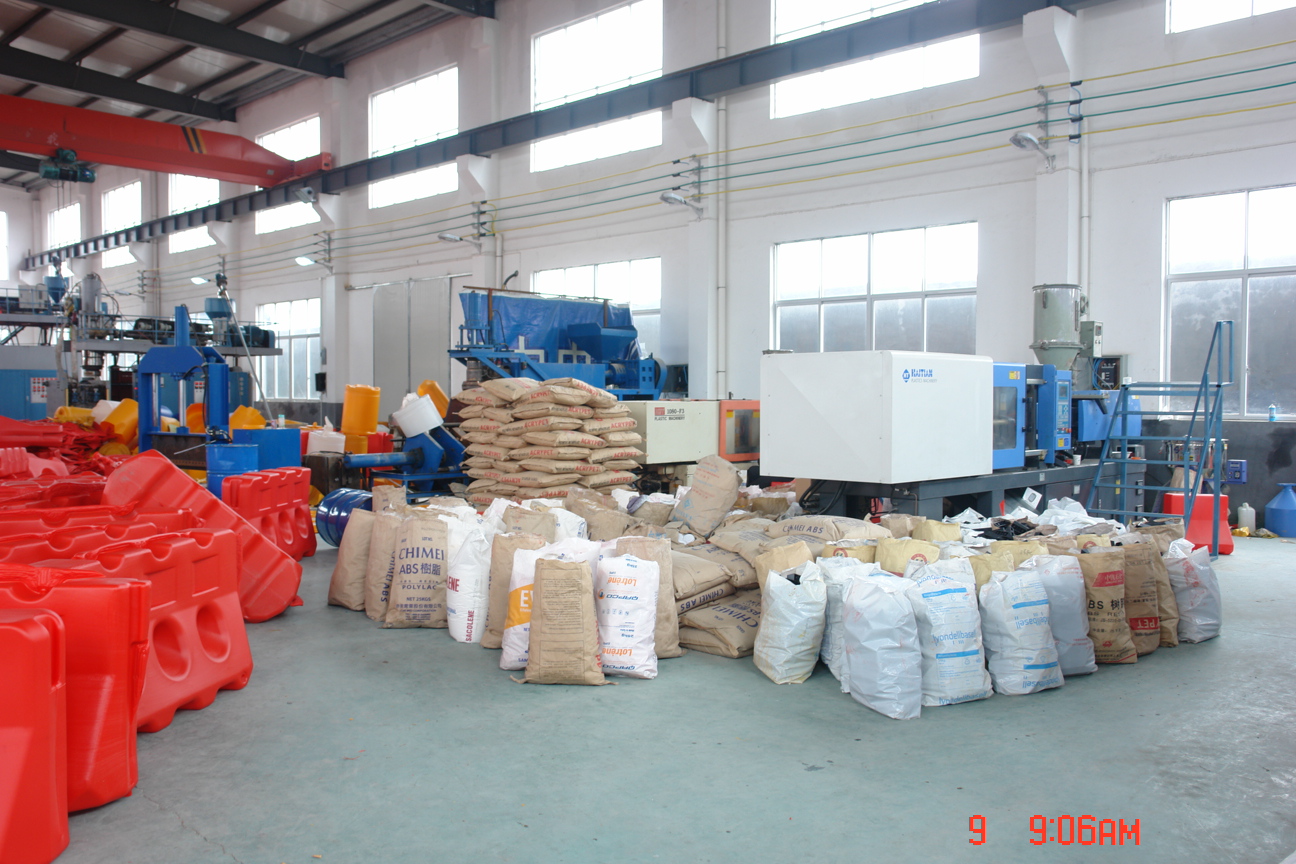
Use Cases: The Same Three Parameters, Four Different Answers
Warehouse intersection and aisle corners
Short viewing distances and continuous forklift traffic. A shorter curvature radius within the R2200–R3000 band captures the full aisle corner, the upper part of the 0.6–1 mm thickness range absorbs impact from loads and equipment, and the anti-scratch coating earns its place because dust and cleaning are constant. Field of view above 130° covers the junction from a corner-mounted position.
Loading dock safety
Drivers must judge whether the apron is occupied and how far away the next vehicle is. Here the longer end of the radius band is the better specification, because a flatter image preserves distance judgment. Docks are usually wall- or pole-mounted at height, so bracket adjustment determines whether the dock apron and the approach lane are both in frame.
Pole-mounted roadway and logistics park intersections
Exposed mounting, wind load and temperature swings at both ends of the −30°C to +80°C range. Field of view above 130° covers the intersection, thickness at the upper end protects the lens, and a weatherproof hooded body with a coated lens protects the optical surface across years rather than seasons.
Distributor and multi-site programs
For importers, distributors, wholesalers, contractors and infrastructure project suppliers, the value of a numeric specification is repeatability across projects and reorders. Mnsd's monthly production capacity is 30,000 pcs, and Mnsd serves importers, distributors, wholesalers, contractors and infrastructure project suppliers worldwide. A locked specification sheet means the same lens thickness, radius and coating are reproduced in the next batch, which is what allows a distributor to standardise a catalogue item instead of re-qualifying a mirror for every single site.
Comparison: What Each Parameter Changes, and How Mirrors Compare With Electronic Monitoring
The table below is the short version of the specification logic. Read it as a decision aid: the left column is the parameter a buyer names on the purchase order, the right column is the site condition that pushes it toward one end of its range.
| Parameter | Specified range | What the choice changes | Push toward the upper end when… |
|---|---|---|---|
| Lens thickness | 0.6–1 mm, customizable | Impact resistance, lens rigidity, coating durability, weight | Exposed roadway, logistics park or dock mounting; large mirror diameter; wind-borne debris |
| Curvature radius | R2200–R3000 | Field of view, image compression, distance judgment | Drivers must judge distance at a shared aisle or dock apron (toward R3000); close, wide capture is needed (toward R2200) |
| Field of view | Above 130° | Angular coverage of the conflict point | The junction, aisle corner or dock approach sits wide relative to the mounting position |
| Operating temperature | −30°C to +80°C | Lens impact retention, coating bond, mounting stability | Site swings between severe frost and high surface heat |
| Surface protection | Optional anti-scratch hard coating; PE film during assembly and transit | Abrasion resistance, haze resistance, optical clarity over service life | Dusty environments, frequent cleaning, stock holding and staged installation |
The second comparison matters commercially. Against electronic monitoring, a convex mirror is a passive safety device with a wide viewing angle and no power requirement. It carries a low upfront cost — lower than electronic monitoring — consumes zero energy, and is almost maintenance-free, needing only occasional cleaning. Electronic monitoring delivers a different capability set, at a different cost profile and with a power supply requirement that a passive mirror does not have.
| Decision factor | Outdoor convex mirror | Electronic monitoring |
|---|---|---|
| Device type | Passive safety device with a wide viewing angle; no power required | Active monitoring system |
| Upfront cost | Low — lower than electronic monitoring | Higher upfront system cost than a convex mirror |
| Power and energy | No power required; zero energy consumption | Requires a power supply |
| Routine maintenance | Almost maintenance-free; occasional cleaning | Not covered by this comparison |
FAQ: Lens Thickness, Curvature Radius, and Field of View
Does FMVSS No. 111 apply to a fixed outdoor convex mirror?
No. FMVSS No. 111 governs convex mirrors installed in passenger cars as supplements, and requires a radius of curvature between 35 and 65 inches together with the marking "Objects in Mirror are Closer Than They Appear" (NHTSA). A fixed convex mirror mounted on a wall, pole or warehouse corner is not a vehicle mirror and falls outside that rule — which is also why the radius band differs so much: site-installed optics are specified at R2200–R3000, far flatter than an in-car mirror. Buyers should still confirm any additional labelling or marking requirement that their own market applies to traffic safety products before ordering.
Can lens thickness, curvature radius and coating be customized?
Lens thickness is customizable across 0.6–1 mm, and the surface treatment is selectable: an optional anti-scratch hard coating on the polycarbonate surface, plus protective PE film applied during assembly and transit. Curvature radius is specified within the R2200–R3000 band. Mnsd's monthly production capacity is 30,000 pcs, which supports both standard and customized configurations, and Mnsd serves importers, distributors, wholesalers, contractors and infrastructure project suppliers worldwide.
How should a buyer weigh cost when choosing between specifications?
Cost drivers in a convex mirror are lens thickness, mirror diameter, coating selection, hood and bracket type. Because a convex mirror is a passive device with low upfront cost, zero energy consumption and almost maintenance-free operation, the meaningful cost question is not purchase price alone but how often the unit has to be cleaned, re-aimed or replaced. The parameters that govern replacement frequency — thickness and surface protection — are therefore the ones worth specifying carefully rather than defaulting. Configuration-specific pricing is issued at quotation stage, since two mirrors of identical diameter can differ in thickness, radius and coating.
Can the specification be validated before a volume order is placed?
Yes, and it should be. The practical validation sequence is to confirm the curvature radius and field of view against the actual blind spot geometry, check lens thickness against the exposure at the mounting position, and verify that the coating and PE film are as specified on the delivered unit. Sample and quotation requests for this purpose can be submitted to Mnsd at info@mnsdtraffic.com or through www.mnsdtraffic.com, and a single validated unit on site is the cheapest way to avoid re-specifying an entire project after installation.
What supports repeat ordering and long-term supply?
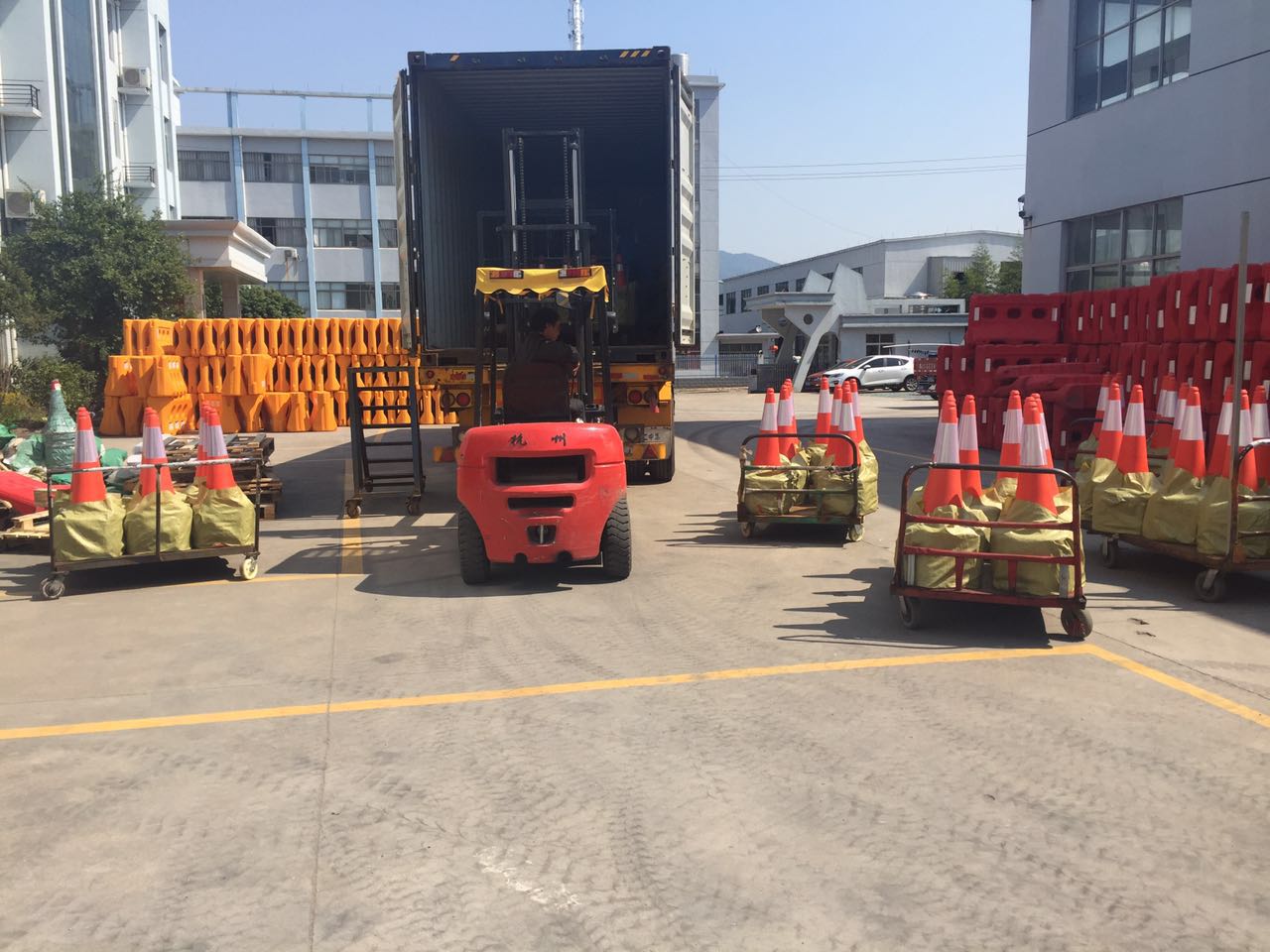
Three things: a locked specification sheet, repeatable production, and a supplier relationship built for it. Mnsd's monthly production capacity is 30,000 pcs, and Mnsd serves importers, distributors, wholesalers, contractors and infrastructure project suppliers worldwide, so a distributor can standardise catalogue items instead of re-qualifying every batch. Writing lens thickness, curvature radius, field of view, coating and mounting type into the order specification is what makes the second order identical to the first. To start that process, request the product catalogue and a configuration-specific quotation through www.mnsdtraffic.com, or download the Mnsd brochure for the full product range.
Conclusion: Specify Once, Then Repeat It
Lens thickness, curvature radius and field of view are not marketing variables — they are the three decisions that determine whether an outdoor convex mirror resolves a blind spot or merely occupies a wall. Thickness from 0.6 mm to 1 mm controls impact survival, rigidity and coating life. A curvature radius between R2200 and R3000 controls how wide the mirror sees and how legible the image remains. A field of view above 130° controls whether the conflict point is inside the frame at all. The −30°C to +80°C operating range and an optional scratch-resistant coating decide how long the mirror keeps performing after installation.
For a technical buyer, the sequence is the same at every site: measure the blind spot, choose the radius, choose the thickness, confirm the environment and surface protection, validate one unit, then lock the specification. Do that once and the specification becomes an asset — a document that a distributor can order against, a contractor can install against, and a supplier can manufacture against, batch after batch.
Next Step: Request the Catalogue, a Sample or a Configuration-Specific Quotation
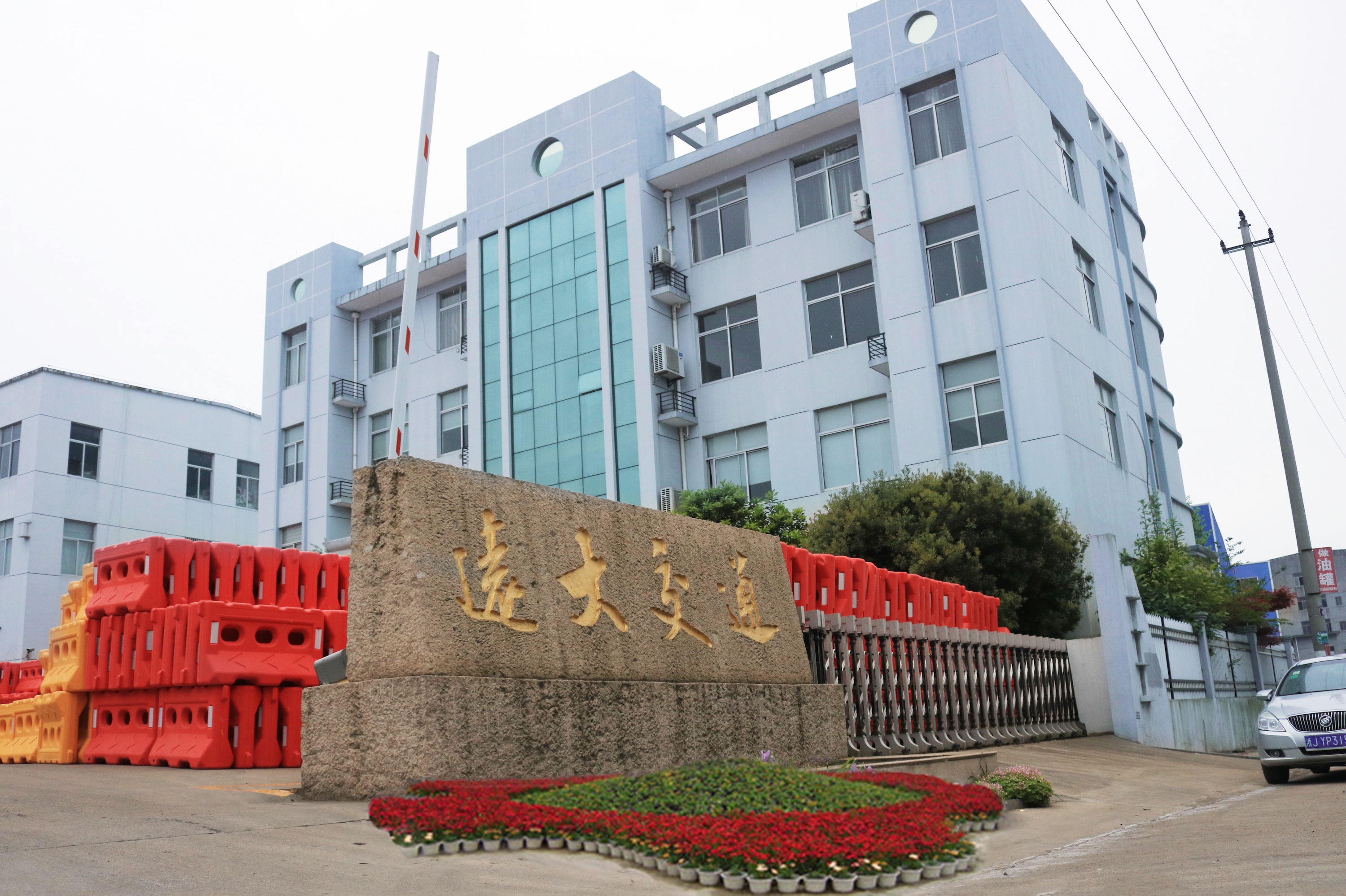
Tiantai Yuanda Traffic Device Co., Ltd manufactures convex mirrors, warning posts, rising bollards, speed humps and traffic lights for importers, distributors, wholesalers, contractors and infrastructure project suppliers worldwide. Share your blind spot dimensions, required curvature radius and lens thickness, and we will confirm the configuration, the coating selection and the production slot.
Website: www.mnsdtraffic.com
Email: info@mnsdtraffic.com
Tel / WhatsApp: +86 18458137305
Address: Hongsan Industry Zone, Tiantai Town, Taizhou City, Zhejiang Province, China
Download the product brochure: Mnsd Road Safety Equipment Catalogue (PDF)
Have Questions or Need More Details?
Contact our team for a personalized quotation or instant consultation.
Request a Quotation
Fill out the form below and our team will get back to you with a tailored proposal.
WhatsApp Direct Chat
Prefer to chat in real-time? Message us on WhatsApp for instant assistance & quick answers.
- Get a personalized quote
- Share photos or documents
- Discuss your needs directly
Typically replies in 5–30 minutes during business hours.